
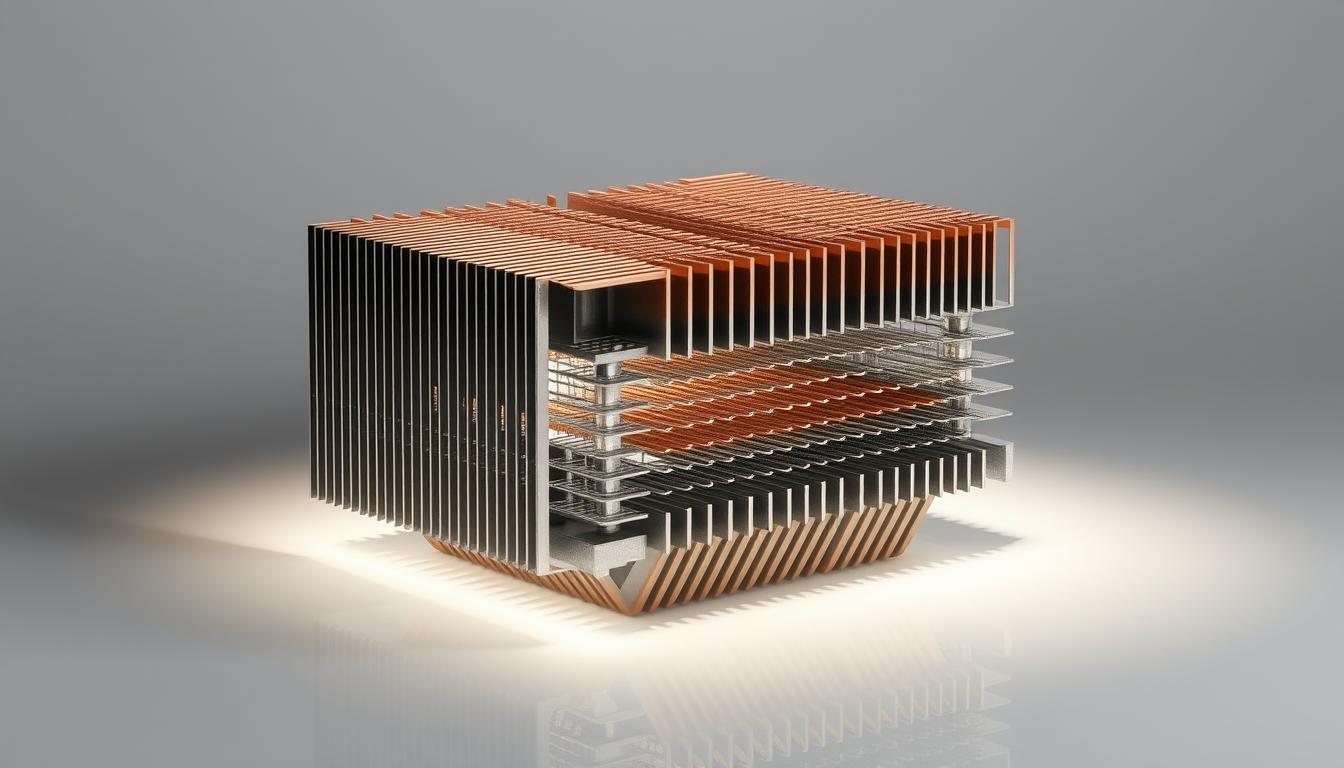
Heat sinks are critical components in modern electronics, responsible for dissipating heat and preventing system failures. As processors become more powerful and devices shrink in size, effective heat sink design has never been more important. This comprehensive guide explores the science behind heat sinks, their performance factors, and best practices for achieving uniform heat distribution.
Understanding Heat Sink Basics
Heat sinks are key in keeping electronic devices cool. They help maintain the right temperature. Knowing how they work and what affects their performance is important.
A heat sink’s main job is to take in and spread out heat from electronic parts. This keeps them from getting too hot. The better a heat sink is at spreading heat, the more efficient it is. This depends on the material it’s made of and how well it conducts heat.
- Material selection: Choosing materials with high thermal conductivity to enhance heat transfer
- Surface area: Increasing the surface area of the heat sink to improve heat dissipation
- Fin design: Optimizing fin design to maximize heat transfer and airflow
Engineers and designers use these basics to make heat sinks that work well. Heat distribution and thermal conductivity are very important. They affect how well a heat sink works and how long it lasts.
Do Heat Sinks Get Heated Up Uniformly: The Scientific Answer
The answer to whether heat sinks heat up evenly depends on their materials. Different materials have different thermal conductivities. This means some might have hotspots, while others spread heat better.
Several factors impact a heat sink’s thermal performance. These include:
- Material properties: The type of material used is very important.
- Thermal conductivity: How well the material conducts heat is critical.
- Design and construction: The design and build of the heat sink also matter.
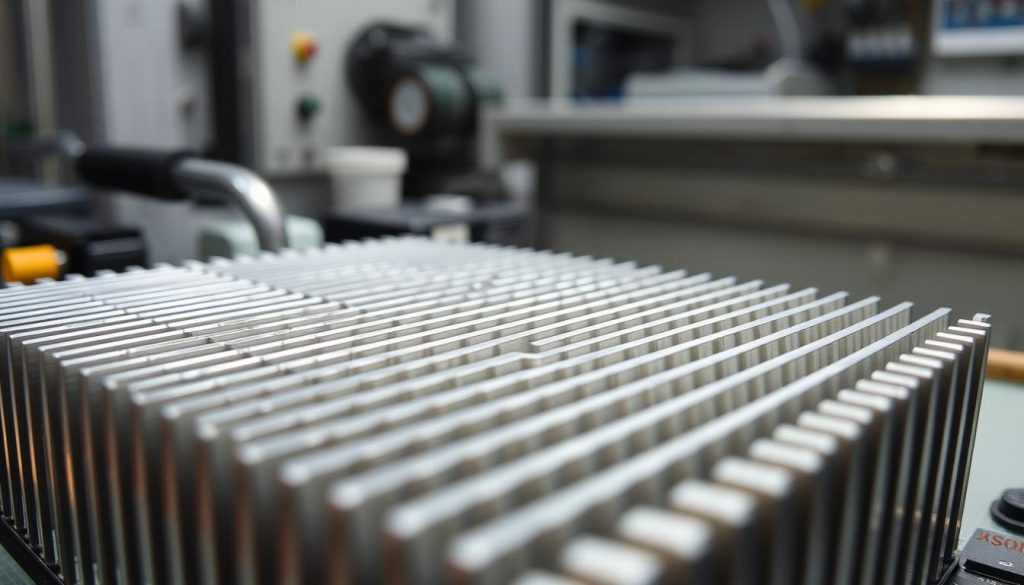
To get the best thermal performance, choose the right materials and design. This ensures your heat sink manages heat well. It helps prevent overheating and extends your device’s life.
Factors Affecting Heat Distribution in Heat Sinks
A good heat sink design considers the material, surface area, and fin shape. The material’s ability to conduct heat is very important. Also, the size of the surface and the design of the fins matter a lot.
Other things that affect heat distribution include air flow and the environment. Air moving around the heat sink can help or hinder heat transfer. The temperature and humidity around the sink also matter. By thinking about these, designers can make heat sinks that manage heat well and keep devices running smoothly.
- Material properties and thermal conductivity
- Surface area and fin design
- Airflow and environmental conditions
Designers can make better heat sink design by understanding these factors. This leads to efficient thermal management and reliable device operation.
Heat Sink Design and Temperature Distribution
In heat sink design, thermal conductivity is key for even temperature. The design, like fin spacing and material, greatly impacts performance. These factors help in spreading heat evenly.
A good heat sink design efficiently spreads heat, keeping temperatures even. This is done by picking materials with high thermal conductivity and designing fins for more surface area. Using computer models and simulation tools also helps in designing better heat sinks.
Important things to think about in heat sink design include:
- Material selection: Choosing materials with high thermal conductivity for better heat transfer.
- Fin design: Designing fins to increase surface area and improve heat distribution.
- Fin spacing: Picking the right fin spacing for good heat transfer and airflow.
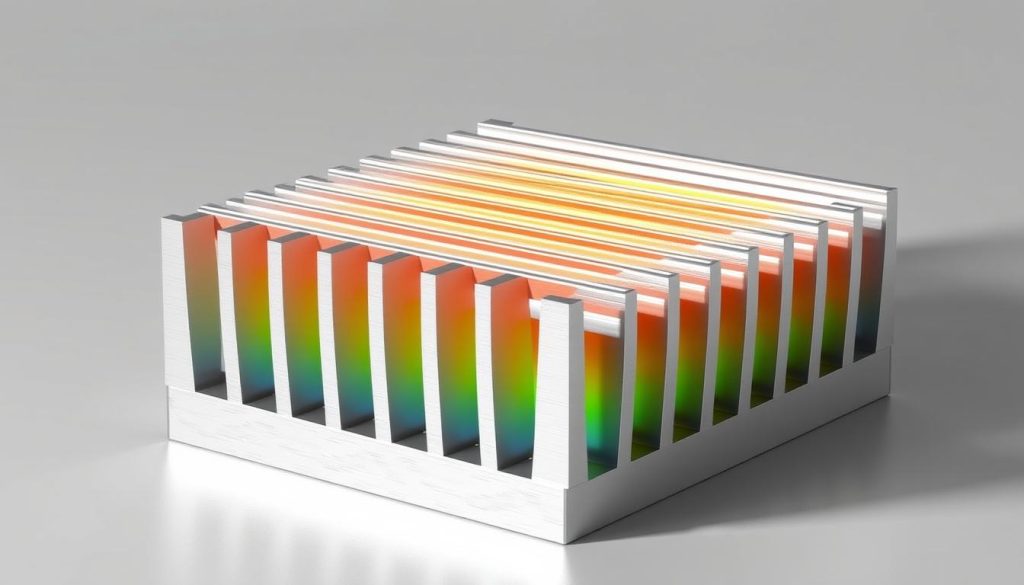
By focusing on these aspects and using advanced tools, designers can make heat sinks that manage heat well. This leads to better performance and reliability in many applications.
Optimizing Heat Sink Performance for Uniform Heating
To get the best out of a heat sink, picking the right materials is key. Look for materials with high thermal conductivity, like copper or aluminum. They help spread heat efficiently.
Design matters too for even heat distribution. A good heat sink has enough surface area for heat transfer. Fins or other heat transfer tools can also boost performance.
Material Selection Guidelines
- Choose materials with high thermal conductivity, such as copper or aluminum
- Consider the use of advanced materials, such as nanomaterials or phase change materials
- Ensure the material is compatible with the heat sink’s operating environment
Design Considerations for Even Heat Distribution
A well-designed heat sink spreads heat evenly. Using thermal interface materials can cut down thermal resistance. By picking the right materials and designing wisely, you can improve heat sink performance.
Conclusion: Achieving Optimal Heat Sink Performance
To get the best out of a heat sink, it’s all about even heat spread. Knowing what affects this, like material, size, and air flow, helps engineers. They can then make heat sinks that work better and avoid hot spots.
Choosing materials that conduct heat well, like aluminum or copper, is key. Also, thinking about fin design and air flow helps a lot. Plus, installing the heat sink right can make it work even better. This means your system will last longer and work better.
As electronics get more powerful and smaller, we need better heat sink optimization ideas. New materials like carbon composites and phase-change materials are being studied. They could lead to even better thermal efficiency in the future.
FAQ
What is a heat sink?
A heat sink is a device that helps cool down hot surfaces. It’s often used with semiconductors or electronic parts. It transfers heat to the air around it.
What are the basic components of a heat sink?
A heat sink has a base and fins. The base touches the hot part. The fins increase the surface area to cool the air.
What’s the ideal fin density?
A: Typically 3-5 fins per cm for natural convection, 5-10 fins per cm for forced airflow.
What are some best practices for optimizing heat sink performance for uniform heating?
To improve heat sink performance, choose materials with high thermal conductivity. Design for maximum surface area and airflow. Follow installation guidelines for best results.


