
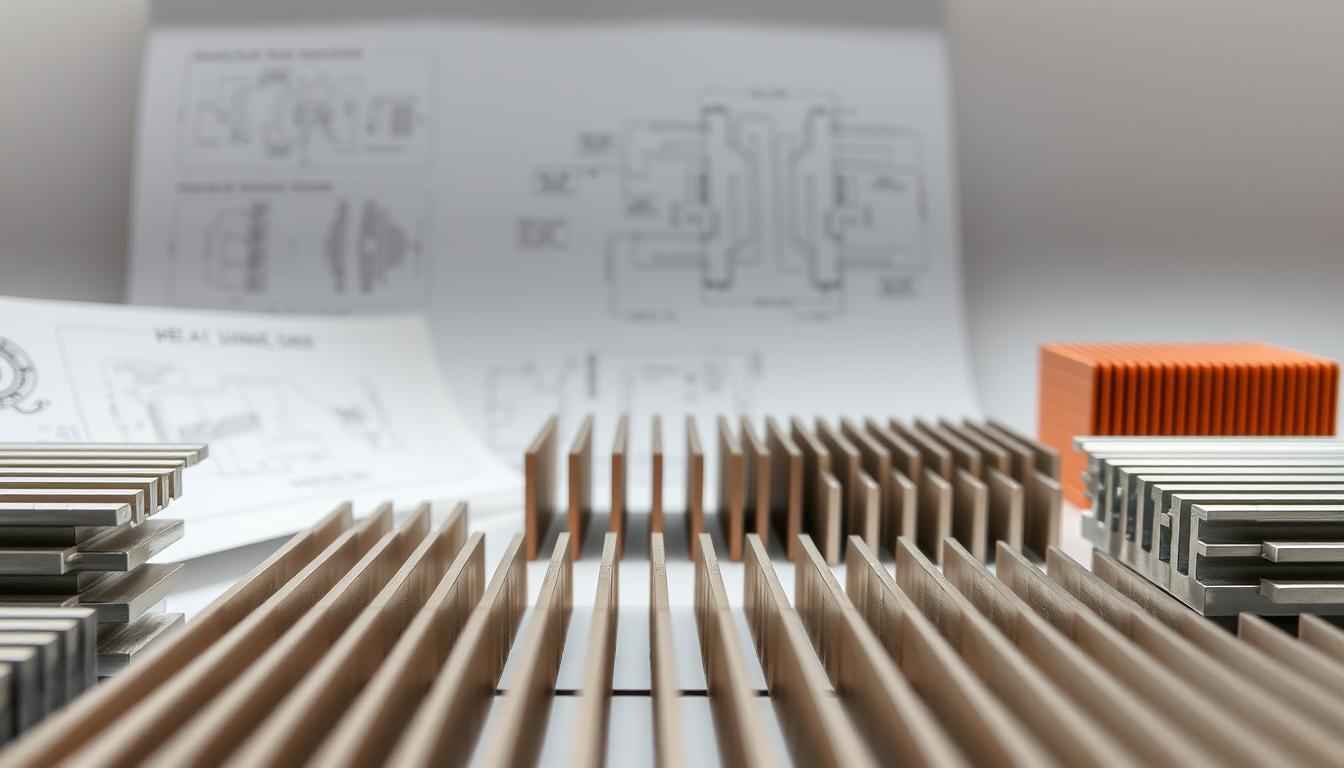
Aluminum alloy is a top pick for heat sink materials because it’s great at handling heat. Knowing what makes up heat sinks is key to keeping electronics cool. We’ll dive into the world of heat sink materials, focusing on aluminum alloy and its heat handling abilities. This guide explores the benefits, types, and thermal performance of aluminum alloy heat sinks, helping you make informed decisions for your cooling needs.
Understanding Heat Sink Basics
Heat sinks are key in electronics cooling, stopping devices from overheating. They work by absorbing and spreading out heat, to keep devices at a stable temperature. This keeps devices running well and lasting longer. Heat sinks are essential in devices like CPUs, GPUs, power supplies, and LED lighting systems.
Are Heat Sinks Pure Aluminum? Material Composition Analysis
Heat sinks’ material composition is key to their thermal properties. Many think they’re pure aluminum, but most are actually aluminum alloys. These alloys mix aluminum with copper, zinc, and magnesium. This mix boosts strength, durability, and heat transfer.
The thermal properties of heat sinks come from their material. Aluminum alloys are great at moving heat because of their high thermal conductivity. Adding other elements can make these alloys even better for cooling. This way, manufacturers can make heat sinks that cool more efficiently.
When looking at heat sink materials, consider these points:
- Aluminum alloy series: Different series have different thermal conductivities, strengths, and durability.
- Material grade classifications: Knowing these can help choose the right material for a specific use.
- Purity levels: The purity of the aluminum alloy affects its thermal properties and performance.
Types of Aluminum Used in Heat Sink Manufacturing
The type of aluminum used in making heat sinks is very important. It affects how well the heat sink works. The aluminum alloy series, material grade, and purity levels all matter a lot.
Here’s a quick look at the different types of aluminum used in making heat sinks:
- Aluminum alloy series 6000: known for its high strength and corrosion resistance
- Aluminum alloy series 7000: recognized for its high thermal conductivity and electrical conductivity
- Purity levels: ranging from 99.0% to 99.99%, with higher purity levels resulting in improved thermal conductivity
In conclusion, choosing the right aluminum is key for a heat sink’s performance. By knowing about the different aluminum alloy series, material grades, and purity levels, makers can create top-notch heat sinks that meet certain needs.
Benefits of Using Aluminum in Heat Sink Design
Aluminum is a top pick for heat sink design because of its many advantages.
Efficient Heat Dissipation
- The high thermal conductivity of aluminum ensures effective heat transfer, keeping components cool.
Corrosion Resistance
- Aluminum’s natural oxide layer protects it from corrosion, ensuring durability in various environments.
Cost-Effectiveness
- Aluminum is more affordable than copper, making it a budget-friendly option for heat sink production.
Lightweight Design
- Aluminum’s low density makes it ideal for applications where weight reduction is critical.
Versatility in Design
- Aluminum can be easily shaped into complex geometries, allowing for optimized heat sink designs.
Alternative Materials Used in Heat Sink Production
Heat sink production isn’t just about aluminum anymore. Alternative materials are now popular for their special properties.
Copper Heat Sinks
- Pros: Higher thermal conductivity (386 W/mK) than aluminum.
- Cons: Heavier and more expensive.
Composite Materials
- Pros: Lightweight and cost-effective.
- Cons: Lower thermal conductivity compared to aluminum and copper.
Graphite-Based Materials
- Pros: Excellent thermal conductivity and lightweight.
- Cons: Expensive and less durable.
Each material has its own set of benefits and drawbacks. The right choice depends on the application’s needs.
Thermal Performance Factors of Aluminum Heat Sinks
Thermal Conductivity Ratings
Thermal conductivity ratings show how well a material can move heat. Aluminum is great for heat sinks because it moves heat well. Using special alloys like aluminum 6063 can make it even better.
Surface Area Optimization
Having more surface area helps heat sinks cool better. This means more heat can be moved away from the source. We can increase the surface area by adding fins or machining the surface.
Some important things to think about for better thermal performance include:
- Using materials that conduct heat well
- Adding fins or machining to increase surface area
- Designing for better airflow
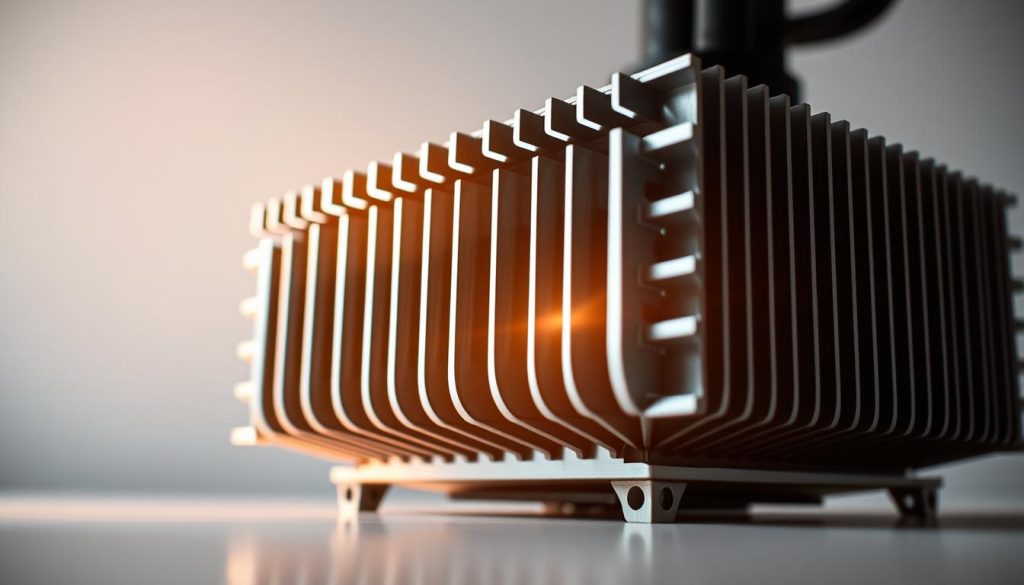
Manufacturing Processes and Material Selection
The manufacturing process plays a significant role in the performance and cost of heat sinks. Common methods include:
Extrusion
- Process: Aluminum is forced through a die to create complex shapes.
- Advantages: Cost-effective and suitable for high-volume production.
Machining
- Process: Aluminum is cut and shaped using CNC machines.
- Advantages: High precision and customization options.
Casting
- Process: Molten aluminum is poured into molds to create heat sinks.
- Advantages: Ideal for intricate designs and low-volume production.
Conclusion
Aluminum alloy heat sinks are a reliable and cost-effective solution for thermal management in a wide range of applications. Their high thermal conductivity, durability, and ease of manufacturing make them a top choice for cooling electronic components.
When selecting a heat sink, consider factors like thermal performance, material composition, and manufacturing process. By understanding the benefits and limitations of aluminum alloys, you can make informed decisions to optimize your cooling solutions.
FAQ
What is the thermal conductivity of aluminum alloys?
Aluminum alloys like 6063 have a thermal conductivity of 209 W/mK, while 1000 series alloys can reach up to 237 W/mK.
Why is aluminum preferred over copper for heat sinks?
Aluminum is lighter, more affordable, and easier to manufacture than copper, making it a popular choice for heat sinks.
Can aluminum heat sinks be used in high-temperature environments?
Yes, aluminum heat sinks are suitable for high-temperature environments due to their corrosion resistance and thermal stability.
What are the alternatives to aluminum heat sinks?
Copper, composite materials, and graphite-based materials are common alternatives, each with its own pros and cons.


