
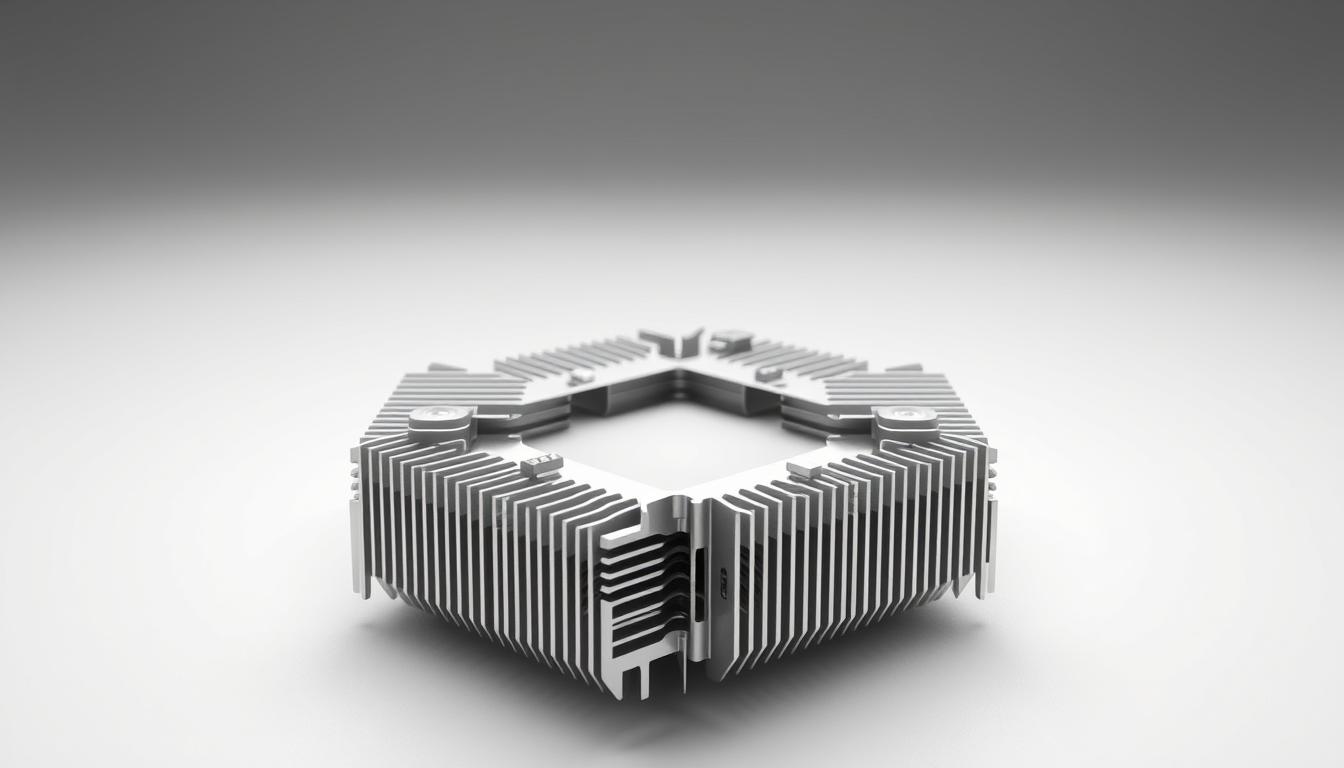
Heat sinks are essential components in modern electronics, playing a critical role in managing heat and ensuring devices operate efficiently. Whether you’re building a computer, designing industrial equipment, or working on consumer electronics, understanding how heat sinks work is key to maintaining optimal performance and longevity. This guide covers everything you need to know about heat sinks, from their basic principles to installation techniques and safety considerations.
Understanding Heat Sinks: Basic Principles and Functions
A heat sink is a passive cooling device designed to absorb and dissipate heat from electronic components like CPUs, GPUs, and power supplies. By spreading heat over a larger surface area, heat sinks help prevent overheating, which can lead to reduced performance or even device failure.
Designing a heat sink means thinking about electrical properties and heat sink materials. The right material is important because it needs to conduct heat well. Materials like copper, aluminum, and graphite are often used. Their thermal conductivity is key to how well the heat sink works.
Heat sinks are used in many ways in electronics, such as:
- CPU cooling
- GPU cooling
- LED lighting
- Power supplies
These uses need good heat dissipation to keep things running smoothly and avoid overheating.
Are Heat Sinks Supposed to Be Electrified: The Truth About Electrical Properties
Many people wonder if heat sinks should be electrified. The answer depends on their electrical properties and safety.
The design of heat sinks affects their electrical properties. A good design ensures they can transfer heat well. But, they are not meant to carry electricity. Most heat sinks are made to keep devices cool without electrical risks.
Some important safety tips for heat sinks include:
- Ensuring proper electrical insulation to prevent electrical shock
- Using materials with high thermal conductivity to efficiently transfer heat
- Designing the heat sink to withstand high temperatures and electrical stresses
Knowing about heat sinks’ electrical properties helps make better cooling systems. This is key in fields like aerospace and automotive, where devices get very hot.

In summary, heat sinks should not carry electricity. Yet, their electrical properties are vital for their design and safety. With careful planning, designers can make heat sinks that work well and safely.
The Role of Thermal Conductivity in Heat Sink Performance
Thermal conductivity is key to how well heat sinks work. It shows how well a material can move heat. For heat sinks, this means they can take heat away from important parts.
Studies have found that materials with high thermal conductivity are better at moving heat. Heat sink materials like copper and aluminum are popular because they conduct heat well. The size of the heat sink’s surface also matters. A bigger surface area means better heat transfer.
Several things can change how well a heat sink material conducts heat. These include:
- Material properties: The type of material and its heat-conducting ability
- Surface area: The size and shape of the heat sink’s surface
- Heat transfer: How well the material moves heat away from the part
To make heat sinks work better, we need to focus on thermal conductivity. Choosing materials with high ratings and making the surface area bigger helps. This way, heat sinks can move heat away well, keeping parts cool and safe.
Safety Considerations When Working with Heat Sinks
When you work with heat sinks, safety is key. You need to think about safety considerations to avoid injuries and work well. Heat sinks can carry electricity, which can shock you if not handled right. So, it’s important to know how to handle them safely.
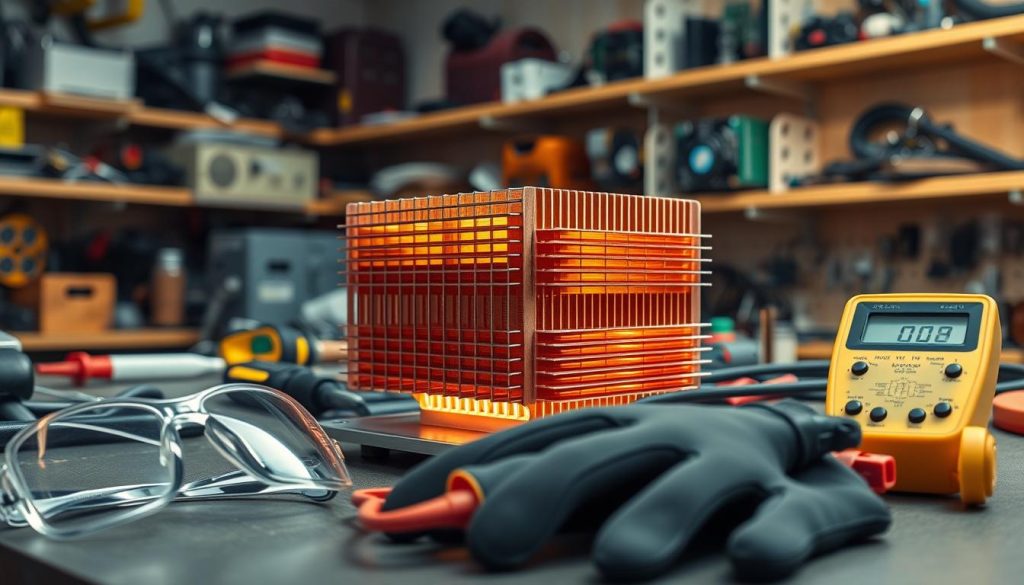
Wearing gloves and safety glasses is a good idea when you’re around heat sinks. Also, installing them correctly and using thermal paste can stop overheating. Always put safety considerations first when you’re working with heat sinks.
Here are some safety tips to remember:
Avoid touching electrical parts or wires when handling heat sinks Use the right tools and equipment to avoid damage or injury Follow the manufacturer’s instructions for installation and maintenance.
By focusing on safety considerations and following the right heat sink handling steps, you can reduce risks. It’s also vital to think about the electrical properties of heat sinks. This way, you can prevent accidents.
Proper Installation and Mounting Techniques
Installing heat sinks right is key for them to work well. You need to prepare the surface, apply thermal paste, and secure it properly. This ensures the heat sink works at its best.
1. Surface Preparation
Start by preparing the surface. Clean both the heat sink and the component it will be attached to. This makes sure they are ready for contact.
2. Apply Thermal Paste
Thermal paste is then applied to fill gaps and help with heat transfer.
3. Secure the Heat Sink
Next, you need to secure the heat sink. You can use screws, clips, or adhesives. The choice depends on the heat sink type and your needs.
Important things to keep in mind when mounting include:
- Make sure the heat sink and component are aligned and in contact
- Use the right amount and type of thermal paste
- Secure the heat sink well to avoid movement or vibration
By following these steps and using the right techniques, you can mount heat sinks efficiently. This ensures they perform well and reliably.
Conclusion: Ensuring Safe and Effective Heat Sink Operation
In this article, we’ve looked at the basics of heat sinks and their role in keeping electronic devices cool. We talked about how important it is to think about both how well they conduct heat and their safety. This is key when designing and setting up these essential parts.
By using the tips and advice from this article, people can make heat sinks that do a great job of cooling. This is important for anyone working with devices that get hot. It helps keep them running well for longer.
FAQ
What is the purpose of a heat sink?
A heat sink absorbs and dissipates heat from electronic components, preventing overheating and ensuring optimal performance.
How do heat sinks work?
Heat sinks work by spreading out heat over a larger area. This helps cool the part down faster. They are made of materials like aluminum or copper, which are good at moving heat.
Are heat sinks supposed to be electrified?
No, heat sinks should not be electrified. They are made to keep parts cool without touching them. This prevents short circuits and keeps everyone safe.
What are the safety precautions when working with heat sinks?
Wear protective gear, avoid electrical contact, and follow manufacturer guidelines for installation and maintenance.


