
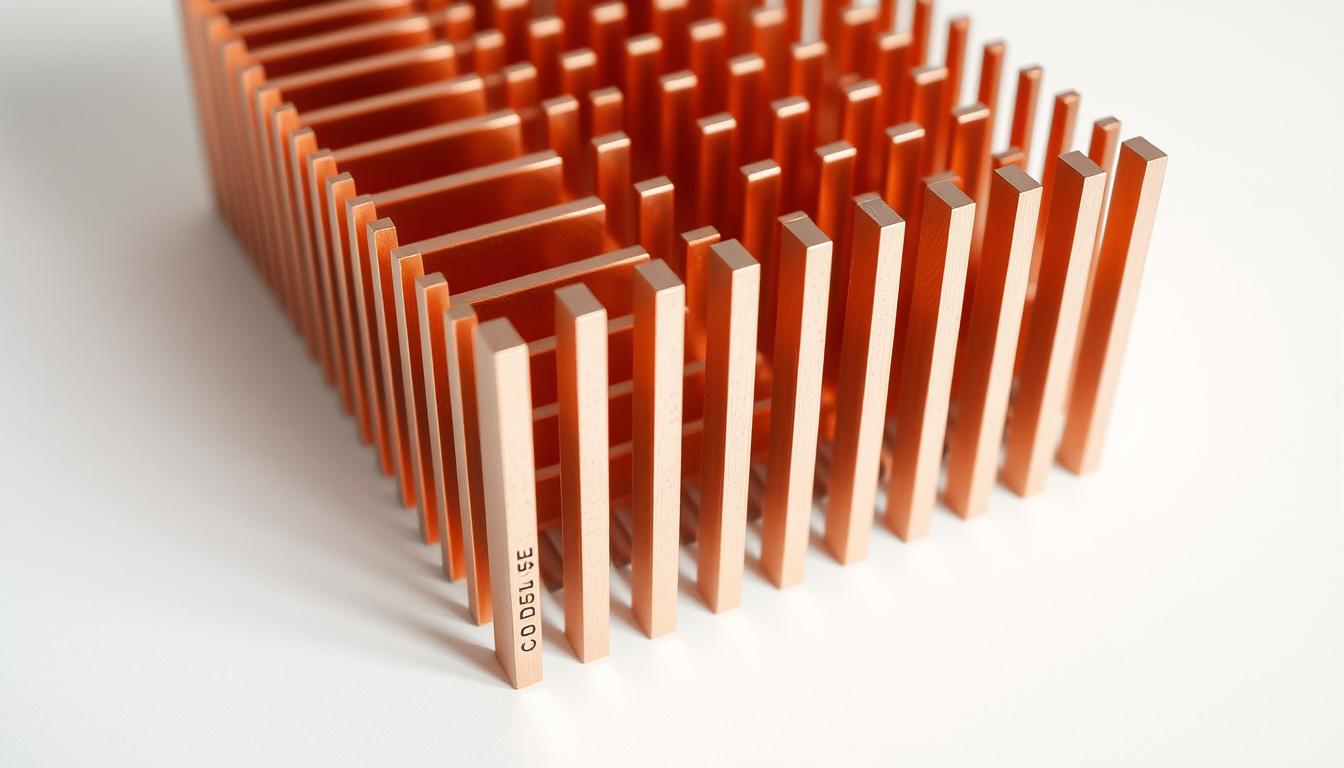
A copper heat sink is key in keeping electronics cool. It helps devices stay within a safe temperature range. This is because copper is great at conducting heat away from devices. Copper heat sinks are used in many areas, like computer units and power electronics, where cooling is essential. This guide explores the function, design, applications, and benefits of copper heat sinks, helping you understand why they are a popular choice for thermal management.
Understanding Copper Heat Sinks and Their Function
Copper heat sinks are key parts in electronic devices. They help absorb and spread out heat from sensitive parts. Copper is great for heat sinks because it can move heat well. Its thermal conductivity is high, making it perfect for this job. Copper can handle high temperatures and has a high melting point. This makes it a top choice for heat sinks.
When designing heat sinks, there are a few things to think about:
- Material selection: Copper is often used because of its high thermal conductivity and copper properties.
- Fin configuration: The design of the fins is important for the heat sink design and heat release.
- Surface area: More surface area means better heat release.
How Copper Heat Sinks Work
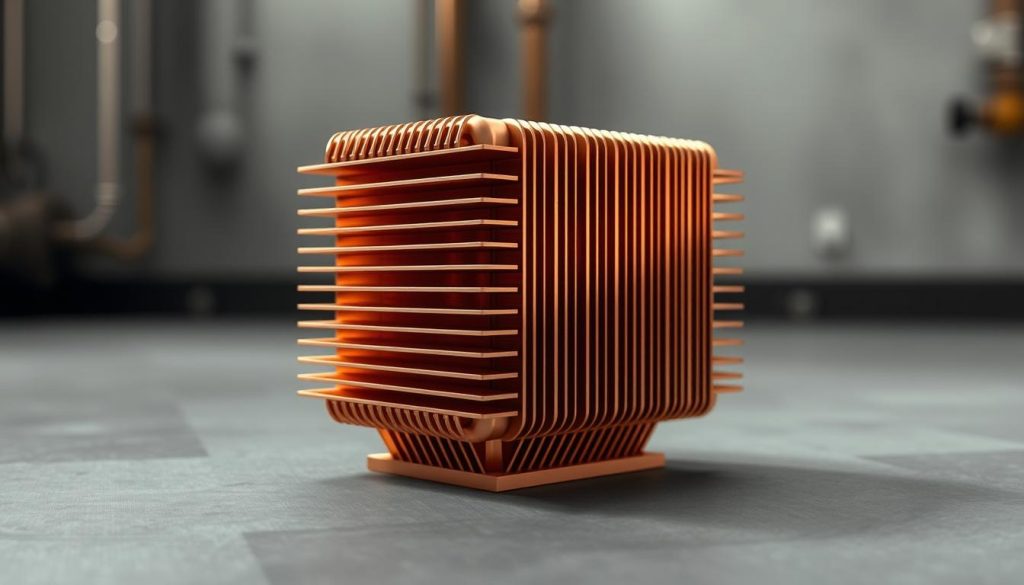
Copper heat sinks play a vital role in thermal management by absorbing heat from electronic components and dispersing it into the surrounding environment. Their effectiveness depends on their design, material properties, and surface area.
The Science Behind Heat Dissipation:
Heat Absorption: The heat sink absorbs thermal energy from the device.
Heat Distribution: Copper’s high thermal conductivity ensures even heat distribution across the heat sink.
Heat Dissipation: The heat is released into the air through fins, which increase the surface area for better cooling.
Why Copper?
- Thermal Conductivity: Copper has a thermal conductivity of 401 W/m-K, making it one of the best materials for heat transfer.
- Melting Point: With a high melting point (1,085°C), copper can handle extreme temperatures without degrading.
Design Features and Components of Copper Heat Sinks
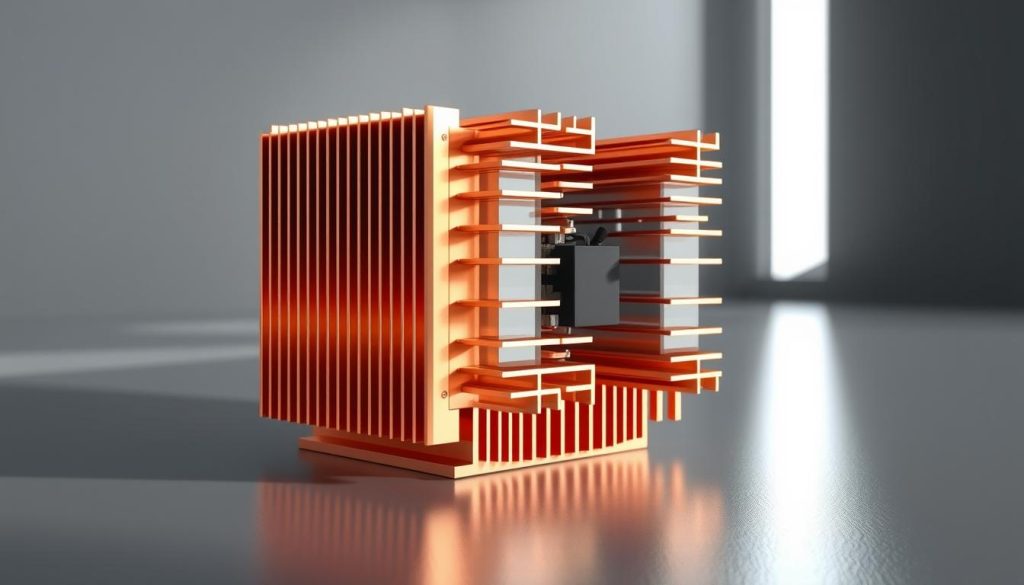
The design of a copper heat sink significantly impacts its performance. Key design elements include fin configuration, base plate design, and surface area optimization.
Fin Configuration
- Purpose: Fins increase the surface area, enhancing heat dissipation.
- Design Considerations: Fin size, shape, and spacing must be optimized for specific applications.
Base Plate Design
- Purpose: The base plate ensures even heat distribution from the component to the fins.
- Material: Typically made of copper for maximum thermal conductivity.
Surface Area Optimization
- Importance: A larger surface area improves heat dissipation.
- Methods: Adding more fins or using advanced designs like pin-fin or folded-fin configurations.
Applications and Benefits of Copper Heat Sinks
Copper heat sinks are used in many fields like computer hardware, power electronics, and LED lighting, to manage heat in electronic devices. Their versatility and efficiency make them indispensable in modern technology.
Computer Processing Units (CPUs)
In computers, copper heat sinks cool CPUs, GPUs, and more. They make sure these parts work well and efficiently.
Power Electronics
In power electronics, copper heat sinks cool down power modules and inverters. This is important for keeping these systems reliable and efficient. It’s a key role in copper heat sink applications.
LED Lighting Systems
In LED lighting, copper heat sinks keep LEDs cool. This helps them last longer and work better. It’s important for their performance.
Using copper heat sinks has many benefits. It improves efficiency, reliability, and performance. As technology gets better, the need for good cooling solutions will grow. This makes copper heat sink applications very important in many fields.
Conclusion: Making the Most of Copper Heat Sink Technology
Copper heat sink technology is key for keeping electronic devices running well and lasting long. It helps power the newest computer processing units (CPUs). It also cools power electronics and LED lighting systems efficiently. The future of copper heat sink technology looks bright. As devices get more powerful and smaller, this tech will be even more important. Copper’s high thermal conductivity lets engineers create better heat sinks. These designs improve electronic cooling by using more surface area and better airflow.
As technology advances, we’ll see even better copper heat sink designs. These will help make electronic products smaller, more efficient, and reliable. By keeping up with this tech, both makers and users will enjoy its many benefits.
For top-quality copper heat sinks, check out HeatSinkProto’s selection. They offer durable, high-performance cooling solutions for all needs.
FAQ
What is a copper heat sink?
A copper heat sink is a cooling device that absorbs and dissipates heat from electronic components, preventing overheating.
Why is copper used in heat sinks?
Copper is used because of its high thermal conductivity, durability, and ability to withstand high temperatures.
What are the benefits of using copper heat sinks?
They offer superior thermal performance, durability, compactness, and versatility.


