
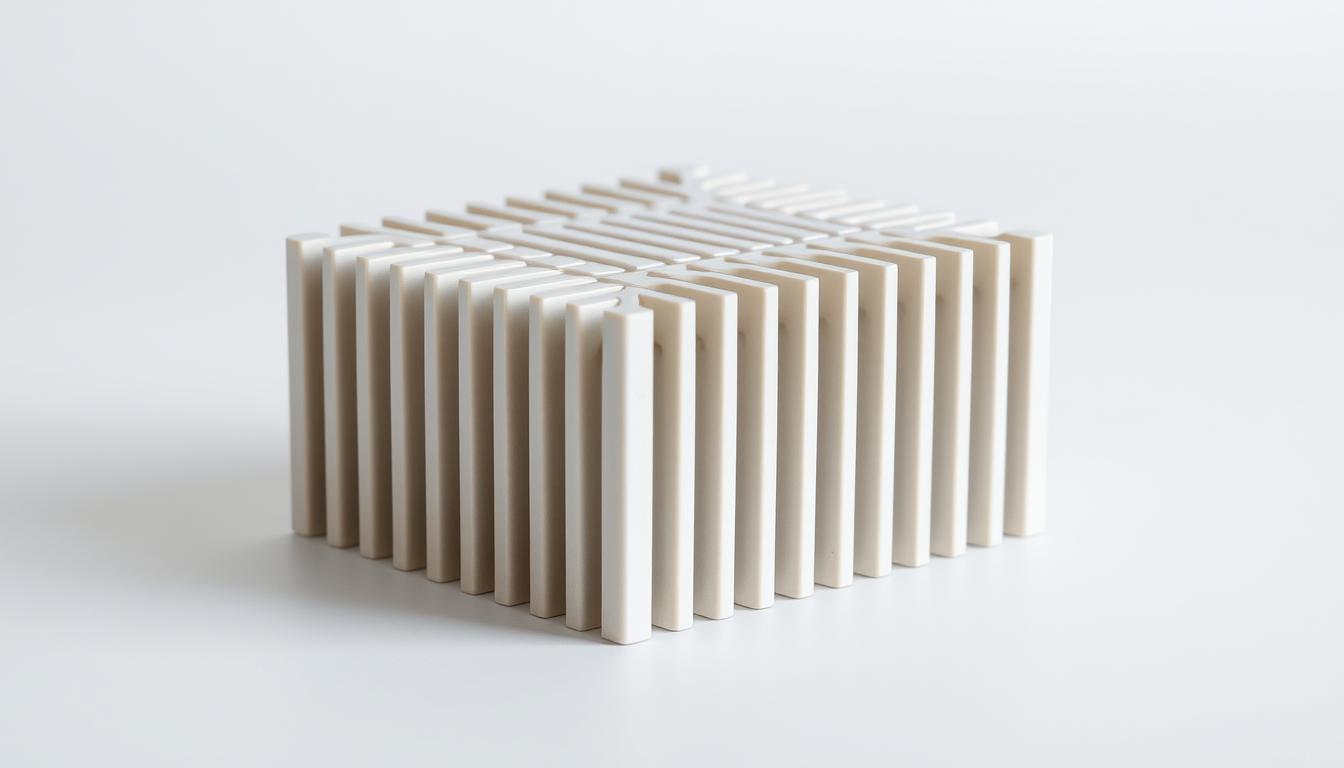
Modern technology products generate excessive heat, which can hinder performance and longevity. This has led to the development of ceramic heat sinks as a superior alternative to traditional metal ones.
Ceramic heat sinks, made from materials like aluminum oxide and nitride, offer better heat dissipation. They are lighter, have high voltage resistance, and are environmentally friendly.
This article explores how ceramic heat sinks are manufactured, the materials used, and their innovative designs. We’ll delve into the processes that make them efficient for thermal management in electronics.
Overview of Ceramic Heat Sink Technology
Ceramic heat sinks are revolutionizing thermal management in modern electronics. These advanced components offer superior heat dissipation compared to traditional metal sinks, making them ideal for high-power applications.
Key Materials and Advantages
The primary materials used are aluminum oxide, aluminum nitride, and silicon carbide. These ceramic materials boast high thermal conductivity and excellent insulation properties, ensuring efficient heat transfer without storing heat. Their polycrystalline structure allows for multi-directional heat flow, enhancing dissipation efficiency.
Applications in High-Power Electronics
Ceramic heat sinks are widely used in LED lighting, high-frequency power supplies, and RF components. They provide robust performance in harsh conditions, excellent voltage resistance, and compact designs that reduce size and material use, aiding in efficient board design.
These advantages make ceramic heat sinks a preferred choice for improving thermal management in electronics, ensuring reliability and longevity in demanding environments.
how are ceramic heat sinks made: Process and Material Insights
Creating efficient thermal management solutions requires understanding the production of ceramic heat sinks. The process involves several steps, starting with raw material selection and ending with final assembly.
Manufacturing Process Steps
The journey begins with selecting high-quality ceramic materials like aluminum oxide or silicon carbide. These materials are known for their high thermal conductivity and excellent insulation properties. Once the raw materials are prepared, they undergo precise machining to achieve the desired shape and structure.
The next step involves sintering, where the ceramic is heated at high temperatures to enhance its density and strength. This process ensures the material can handle the thermal demands of modern electronics. After sintering, the ceramic is coated with a metalized layer to improve heat transfer and electrical connectivity.
Material Selection and Multi-Layered Structures
Material selection plays a crucial role in determining the performance of ceramic heat sinks. Aluminum oxide, for instance, offers excellent thermal conductivity, while silicon carbide provides high strength and durability. The use of multi-layered structures further enhances heat dissipation by allowing heat to spread evenly across the surface.
Comparison with Conventional Metal Heat Sinks
Compared to traditional metal heat sinks, ceramic versions offer several advantages. They have lower thermal resistance, which means they can handle higher temperatures without degrading. Ceramic heat sinks also provide better insulation, reducing the risk of electrical interference and making them ideal for high-power applications.
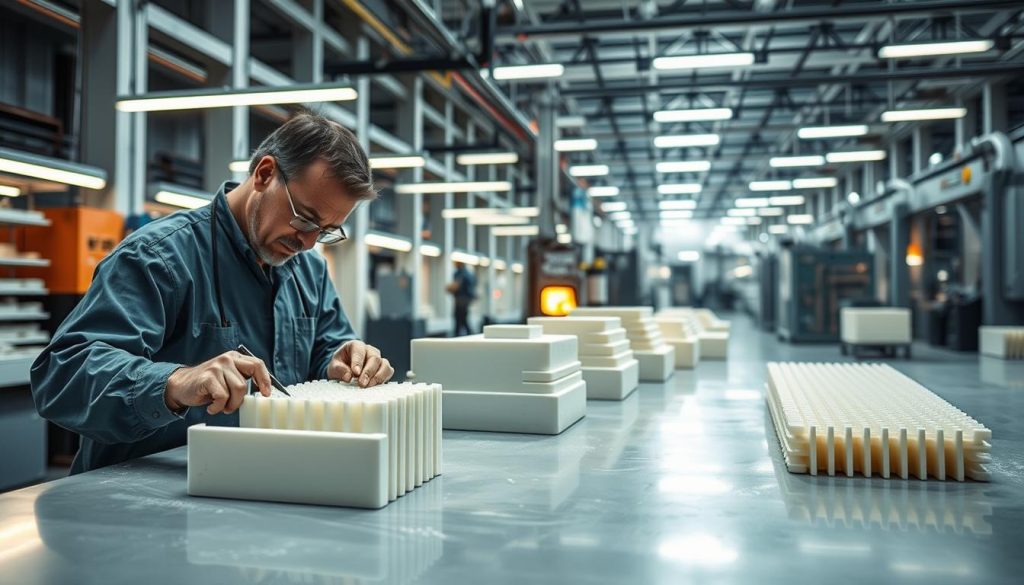
These advancements in material science and manufacturing processes have made ceramic heat sinks a preferred choice for modern electronics. Their superior performance and reliability ensure efficient thermal management, even in the most demanding environments.
Design and Performance Insights of Ceramic Heat Sinks
When it comes to thermal management, the design of ceramic heat sinks plays a crucial role in their effectiveness. These components are engineered to maximize heat dissipation while maintaining compact and lightweight profiles, making them ideal for modern electronics.
Thermal Resistance and Efficiency Improvements
One of the standout features of ceramic heat sinks is their ability to minimize thermal resistance. Materials like Rubalit® and Alunit® have shown remarkable improvements in thermal conductivity, ensuring that heat is transferred efficiently from the source to the sink. This reduction in thermal resistance directly translates to better cooling performance, especially in high-power applications.
Innovative Chip-on-Heatsink Technology
The chip-on-heatsink technology represents a significant leap forward in thermal management. By eliminating the need for additional layers between the chip and the heat sink, this design reduces thermal barriers and enhances cooling efficiency. Studies have demonstrated that this integration leads to a more compact system layout and improved heat dissipation, making it a preferred solution for high-performance electronics.
These advancements in design and technology underscore the growing importance of ceramic heat sinks in modern electronics. Their ability to handle high temperatures with minimal thermal resistance makes them an essential component for ensuring the reliability and longevity of today’s devices.
Conclusion
Ceramic heat sinks have transformed thermal management, offering a leap forward from traditional metal solutions. Their advanced materials and innovative designs make them ideal for high-power electronics and LED systems.
Manufacturing involves selecting high-quality materials like aluminum oxide and silicon carbide, followed by precise machining and sintering. These steps enhance thermal conductivity and strength, ensuring efficient heat transfer.
Design improvements, such as chip-on-heatsink technology, reduce thermal resistance and improve cooling efficiency. This integration simplifies system layouts and boosts performance in demanding applications.
In real-world tests, ceramic heat sinks outperform traditional options with lower thermal resistance and higher reliability. Their compact, lightweight profiles reduce system complexity, making them a preferred choice for modern electronics.
Looking ahead, ceramic technology holds great potential for future thermal management solutions. As innovation continues, these heat sinks will play a key role in enabling more powerful and efficient devices. Explore further details or contact experts to learn more about integrating ceramic heat sinks into your next project.


