
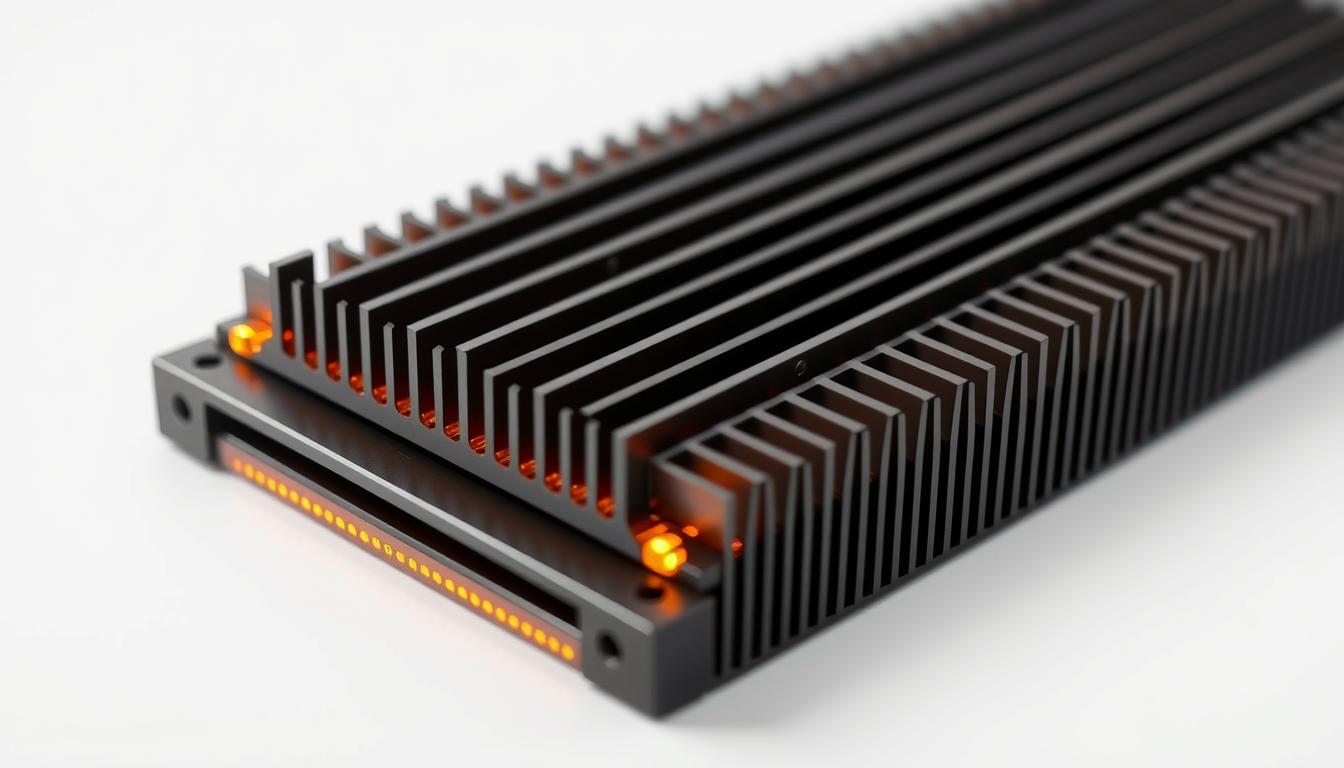
SSDs are becoming more common in computers. It’s important to know how to keep them cool to work well. A heat sink for SSD helps get rid of heat, which is good for the SSD’s life.
SSDs do get hot, which can hurt their performance and life. So, keeping them cool is key. This is why a heat sink for SSD is important.
A heat sink for SSD is a must for keeping SSDs running smoothly. It helps keep them cool, which is good for their life and performance. So, it’s smart to have a heat sink for SSD in your computer setup.
Understanding SSD Heat Generation and Its Impact
SSD temperature is key to a solid-state drive’s performance and lifespan. SSDs produce heat as they work, which can slow them down. This heat can also lead to data loss and slower speeds.
Heat affects SSDs a lot. Knowing what causes this heat is important. Heat generation comes from the controller, memory chips, and other parts. These parts get hot as they handle data, which can raise the SSD’s temperature.
To keep SSDs running well, knowing their safe temperature range is vital. Too much heat can damage them and shorten their life. Here are some things that can make SSDs too hot:
- High ambient temperatures
- Insufficient cooling systems
- Intensive workloads
Understanding heat causes and its effects on SSDs helps users keep them running smoothly. This includes using coolers, watching the SSD’s temperature, and avoiding heavy use that heats them up.
Do You Need a Heat Sink for SSD? The Truth Explained
When it comes to SSD storage, keeping it cool is key for top performance and life span. A heat sink for SSD can be a good choice, but do you really need one? It depends on the SSD type, how you use it, and your environment.
SSDs don’t get as hot as old hard drives, but they can get too warm if not cooled right. This is more true for fast SSDs, like those in gaming laptops or big data centers. In these cases, a heat sink helps to spread out the heat and stop it from slowing down.
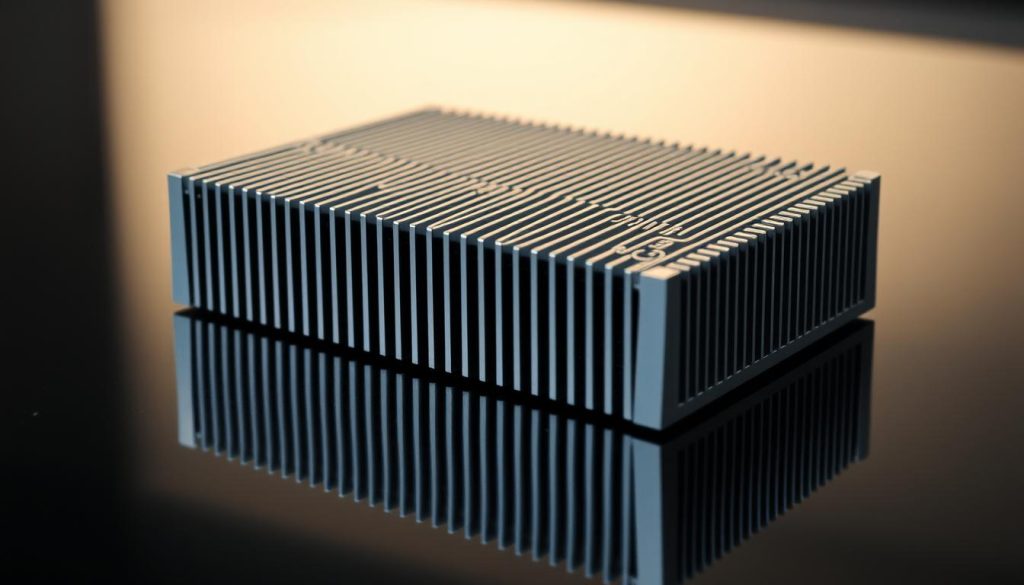
But, for everyday use on a desktop, you might not need a heat sink for your SSD. Most SSDs are made to stay within a safe temperature range. They also have their own ways to manage heat. Plus, many SSDs are in cases that let air flow well, keeping them cool.
To figure out if you need a heat sink for your SSD, think about these things:
- Type of SSD: High-performance SSDs might need a heat sink, but standard ones might not.
- Usage patterns: If you use your SSD for heavy tasks, like gaming or video editing, a heat sink could be a good idea.
- Environmental conditions: If you live in a hot and humid place, a heat sink can help keep your SSD cool.
In short, a heat sink for SSD can be handy, but it’s not always needed. By looking at the points above, you can decide if you should get a heat sink for your SSD storage.
Different Types of SSDs and Their Cooling Requirements
SSDs come in various types, each with its own heat generation and cooling needs. Knowing these differences helps you pick the right cooling solution for your SSD.
SSD storage devices like SATA SSDs, M.2 NVMe SSDs, and PCIe SSDs have different cooling needs. For example, SATA SSDs don’t get as hot as others but need good cooling to work well.
SSD Cooling Needs by Type
- SATA SSDs: low to moderate heat generation, requiring basic SSD cooling solutions
- M.2 NVMe SSDs: high heat generation, requiring advanced SSD cooling solutions
- PCIe SSDs: high heat generation, requiring high-performance SSD cooling solutions
Understanding your SSD’s cooling needs is key to its performance, reliability, and lifespan.
Benefits and Drawbacks of SSD Heat Sinks
Temperature is key for SSD performance. A heat sink for SSD can be a smart choice, but it’s important to know the pros and cons. A heat sink keeps the drive cool, which helps it last longer and work better.
Using a heat sink can improve SSD performance, increase reliability, and lower the risk of data loss. It stops the SSD from slowing down due to heat. Plus, it can make the SSD last longer, so you won’t need to replace it as often.
But, there are downsides too. A heat sink can raise the cost of the SSD. It might also make installing it more complicated. Also, it might not work with your SSD if it’s not made for it.
Here are some key points to think about when deciding on a heat sink for SSD:
- Improved SSD performance and reliability
- Reduced risk of overheating and data loss
- Increased cost and complexity
- Compatibility issues may arise if not designed for the SSD model
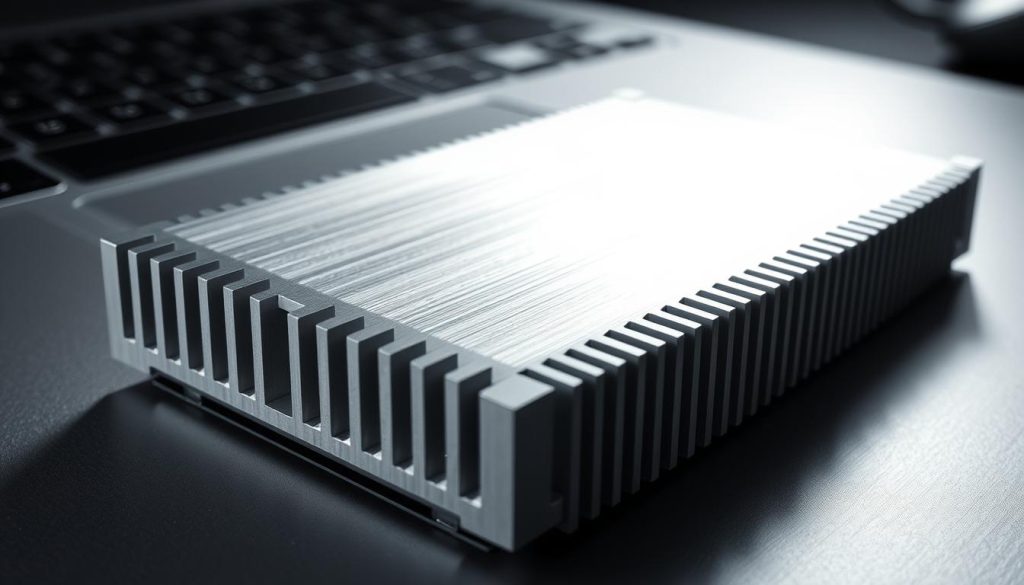
In summary, a heat sink for SSD can be a good choice for better performance and reliability. While there are some downsides, the benefits often outweigh the costs. By carefully considering the pros and cons, you can decide if a heat sink is right for your SSD.
When to Install an SSD Heat Sink
Installing an SSD heat sink is key in some situations to keep SSDs cool and prevent overheating. You should consider installing a heat sink for your SSD based on how you use your system. For example, if you’re into gaming or high-performance computing, your SSD works hard and gets hot.
An SSD heat sink is vital in these cases to keep the SSD cool. This prevents damage and ensures it works well. But, if you just use your SSD for everyday tasks, it might not get hot enough to need a heat sink.
Here are some situations where you might want to use an SSD heat sink:
- Gaming and high-performance computing: These activities need fast SSDs, so a heat sink is a must to avoid overheating.
- Data centers and workstations: Here, many SSDs are used together, making a lot of heat. A heat sink keeps everything cool and safe.
- Standard desktop usage: While not always needed, a heat sink can add extra protection and reliability here.
In summary, whether or not to install an SSD heat sink depends on your system’s use and needs. Knowing when to use a heat sink helps keep your SSD cool and running smoothly.
| Scenario | SSD Heat Sink Requirement |
|---|---|
| Gaming and high-performance computing | Necessary |
| Data centers and workstations | Recommended |
| Standard desktop usage | Optional |
Conclusion: Making the Right Choice for Your SSD Cooling Needs
Whether you need a heat sink for your SSD depends on several factors. These include the SSD type, how you use it, and your environment. SSD temperature and SSD storage performance are key. But, your specific needs and preferences are what truly matter.
For gamers and power users, an SSD heat sink can be a smart choice. It helps keep your SSD running smoothly and lasts longer. On the other hand, if you just use your SSD for everyday tasks, you might not need extra cooling.
Knowing what you need helps you choose the best cooling option for your budget. This way, you get the right balance of cooling and cost for your system.
It doesn’t matter if you choose to cool your SSD or not. What’s important is to stay up-to-date on SSD thermal management. Also, keep an eye on your system’s performance to keep your SSD healthy and reliable.
With the right cooling, your SSD can perform at its best. This means you’ll enjoy smooth computing for many years.


