
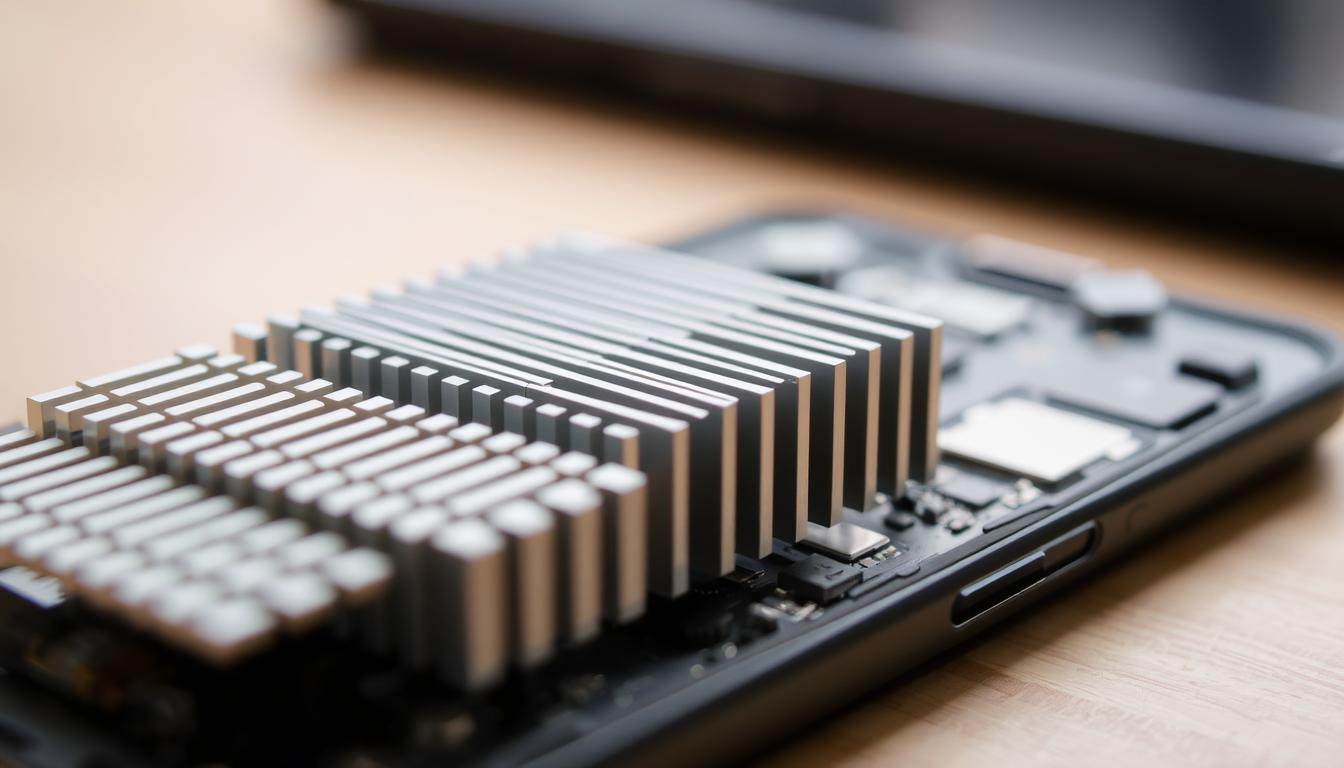
Smartphones have become incredibly powerful, handling everything from high-definition gaming to complex multitasking. But have you ever wondered how these compact devices manage to stay cool under pressure? While traditional computers rely on fans and large heat sinks to dissipate heat, smartphones take a different approach.
Modern smartphones face significant thermal challenges due to their rapid increase in power and performance. This has led to the development of innovative cooling solutions that balance efficiency and design. Unlike laptops or desktops, smartphones don’t use bulky fans or large heat sinks. Instead, they depend on clever thermal management techniques that keep the device cool without compromising its sleek design.
The constraints of a small, portable device demand creative solutions. From advanced materials to sophisticated software, smartphone manufacturers are constantly innovating to maintain high performance while keeping temperatures under control. This article explores both passive and active cooling methods, examining how these tiny powerhouses manage heat in such confined spaces.
Introducing Smartphone Cooling Challenges
Smartphones are engineering marvels, packing powerful processors into sleek, portable designs. However, this compact form factor presents significant cooling challenges that can affect both performance and reliability.
As smartphones grow more powerful, they generate more heat. This heat buildup is a natural result of increased power consumption, making thermal management a critical concern for device reliability and user experience.
Understanding Power, Performance, and Heat Generation
The Second Law of Thermodynamics plays a key role in heat buildup. As energy is transferred, some is inevitably lost as heat, which accumulates in the device. This makes managing temperature a constant battle for smartphone designers.
- Packing advanced processors and high-power components into a small form factor leads to increased heat density.
- Rising power and performance levels result in higher operating temperatures.
- Thermodynamic limits make it challenging to dissipate heat efficiently in such confined spaces.
The Role of Thermodynamics in Smartphone Design
Designers must strike a balance between delivering high performance and maintaining safe temperatures. This requires innovative solutions that don’t compromise the device’s sleek design.
Both hardware and software techniques are employed to mitigate heat issues. Hardware solutions include advanced materials and active cooling methods, while software strategies involve dynamic thermal management and temperature-aware scheduling. These approaches help maintain performance while keeping temperatures in check.
Understanding do phones have heat sinks in Modern Devices
Modern smartphones rely on innovative cooling methods rather than traditional heat sinks. These devices use a combination of passive and active cooling techniques to manage heat efficiently.
Passive Cooling Techniques and Heat Dissipation
Passive cooling involves using materials with high thermal conductivity. Aluminum is commonly used in smartphone chassis because it effectively conducts heat. Graphene, a highly conductive material, is also being explored for enhanced heat dissipation. These materials help spread heat across the device, preventing hot spots.
Processors and CPUs are designed to manage heat through dynamic voltage and frequency scaling. This technique reduces performance during high temperatures, preventing overheating and maintaining efficiency.
Active Innovations: Heat Pipes and Vapor Chambers
Active cooling introduces components like heat pipes and vapor chambers. Heat pipes draw heat away from the processor, while vapor chambers dissipate it across the device. These systems are more advanced than passive methods, offering better cooling without fans.
For example, Samsung has used water-filled copper pipes in previous models. These innovations balance performance, design, and cost, ensuring efficient thermal management without compromising the device’s sleekness.
Material Selection and Design Innovations
When it comes to keeping smartphones cool, the right materials make all the difference. By choosing high thermal conductivity materials, manufacturers can enhance heat dissipation without compromising on design.
Utilizing Aluminum, Copper, and Graphene for Cooling
Aluminum is a popular choice for smartphone chassis due to its excellent heat conductivity. Copper, on the other hand, is often used in internal components because it conducts heat even better than aluminum. Graphene, a highly conductive material, is being explored for future devices. These materials help spread heat evenly, preventing hot spots.
Optimizing Structural Design for Thermal Efficiency
| Material | Thermal Conductivity (W/mK) | Benefits |
|---|---|---|
| Aluminum | 237 | Lightweight, durable, and cost-effective. |
| Copper | 386 | Excellent conductor, ideal for internal components. |
| Graphene | 5000 | Superior conductivity, flexible, and ultra-thin. |
Design innovations optimize surface area for passive cooling without increasing size. Improved materials and design techniques enable effective heat management.
Graphene and carbon-based materials offer superior thermal properties compared to traditional materials. Design techniques and software tools work together to enhance thermal efficiency.
Advanced Thermal Management Techniques in Smartphones
Smartphones are constantly evolving, and so are the ways they handle heat. Modern devices use a mix of hardware and software to stay cool, ensuring great performance without overheating.
Dynamic Thermal Management: Throttling, Scheduling, and Clock Gating
One key technique is dynamic thermal management. When things get too hot, the processor slows down—a process called throttling. This keeps the phone from overheating and maintains efficiency. Tasks are also scheduled carefully to balance performance and temperature. Another method is clock gating, which turns off parts of the CPU when they’re not needed. This helps reduce heat without affecting what you’re doing.
Innovative Approaches: Thermal Herding and Activity Migration
Some phones use thermal herding, moving tasks to cooler parts of the chip. This prevents hot spots and keeps everything running smoothly. Activity migration is another smart approach, redirecting tasks to less busy areas. These methods help maintain performance while keeping the phone cool.
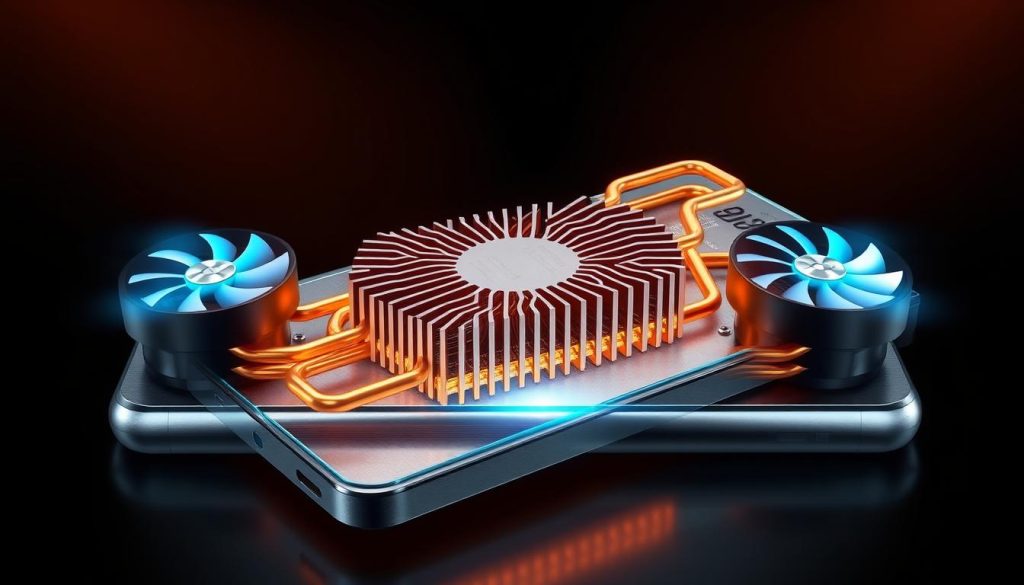
Battery life is also important. By keeping temperatures down, phones can run longer without needing a charge. Materials like copper and metal components are used alongside thermal technology to improve efficiency. These hardware and software solutions work together to dissipate heat safely, even when the phone is working hard.
Conclusion
Modern smartphones are remarkable feats of engineering, balancing high performance with sleek designs. While they don’t use traditional fans or large heat sinks, they employ innovative cooling techniques to manage heat effectively.
From passive methods like high-conductivity materials to active innovations such as heat pipes, these devices keep temperatures in check. Designers and manufacturers continuously explore new materials and techniques to enhance thermal management without compromising performance.
Smartphones today achieve a perfect balance between power and efficiency, ensuring a seamless user experience. These advancements not only prevent overheating but also maintain device reliability and longevity.
Next time you use your phone, remember the intricate engineering that makes it both powerful and cool. These innovations ensure your device runs smoothly, no matter the task.


