
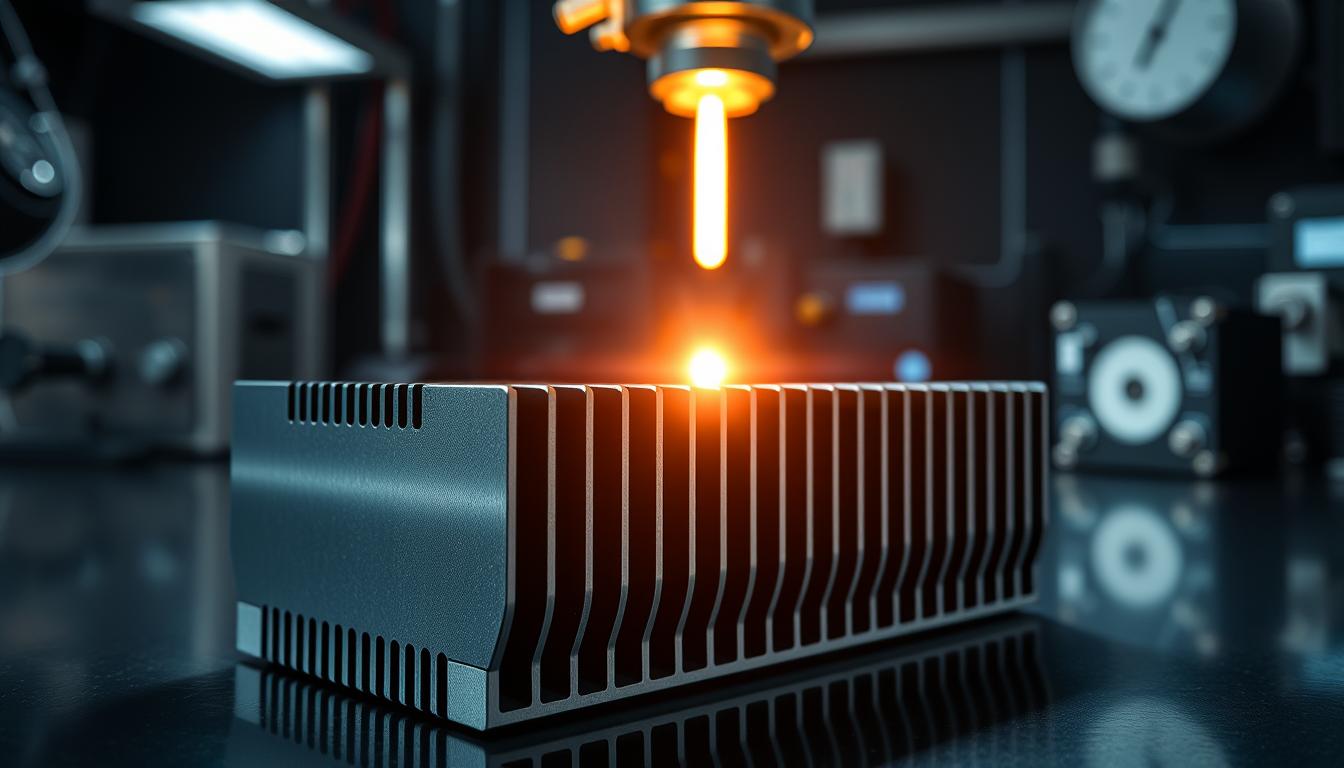
Lasers are powerful tools used across various industries, from telecommunications to scientific research. However, their high performance generates significant heat, which can affect their efficiency and lifespan. This raises an important question: does a heat sink work on lasers?
Heat management is crucial for maintaining the performance and longevity of laser devices. A heat sink plays a vital role in dissipating excess heat, ensuring that your laser operates efficiently. In this guide, we will explore how to select and implement the right heat sink for your laser applications.
Effective cooling is essential for laser diodes, as it directly impacts their stability and performance. Whether you’re working with laser diodes in military equipment or scientific instruments, understanding how heat sinks function can enhance your device’s reliability and service life.
High-powered laser systems rely heavily on efficient thermal management. This includes both passive and active cooling techniques to ensure optimal performance. By implementing the right cooling solutions, you can prevent overheating and maintain consistent laser output.
In this article, we’ll blend industry insights with real-world examples to provide a comprehensive understanding of heat sinks and their role in laser technology. Whether you’re a professional or a hobbyist, this guide will offer practical advice and product insights to help you make informed decisions.
The Role of Heat Sinks in Laser Cooling
Heat sinks are essential components in managing temperature for various electronic devices, including lasers. They play a crucial role in maintaining the efficiency and longevity of laser systems by dissipating excess heat.
Understanding Heat Sink Fundamentals
A heat sink is a passive cooling device designed to absorb and dissipate heat from electronic components. Typically made from materials like copper or aluminum, these sinks excel due to their high thermal conductivity, which allows efficient heat transfer.
How Heat Sinks Manage Excess Heat in Laser Diodes
In laser diodes, heat sinks pull excess heat away, ensuring the diodes operate within safe temperature ranges. This prevents overheating, which can degrade performance and reduce lifespan. Both passive and active cooling methods are used, with passive being quieter and active offering higher efficiency for demanding applications.
Improved temperature control and reduced noise are key benefits, enhancing device longevity. Companies like Sinda Thermal showcase practical applications, demonstrating how the right heat sink selection maintains laser efficiency and stability.
does heat sink work on lasers: Exploring Practical Applications
Understanding how heat sinks function in real-world laser applications is crucial for optimizing their performance. From industrial machinery to advanced robotics, heat sinks play a pivotal role in maintaining efficiency and longevity.
Comparing Passive and Active Cooling Methods
Passive cooling methods, such as natural convection, are cost-effective and quieter but may not suffice for high-power lasers. Active cooling, using methods like liquid cooling, offers higher efficiency but at a greater cost and complexity.
| Cooling Method | Performance | Cost | Application Environment |
|---|---|---|---|
| Passive | Lower heat dissipation | Low | Low-power lasers |
| Active | Higher heat dissipation | High | High-power lasers |
Choosing the right cooling method depends on the laser’s power and application. Passive methods are ideal for low-power applications, while active methods are better suited for high-power lasers. Balancing performance and cost is essential for optimal cooling.
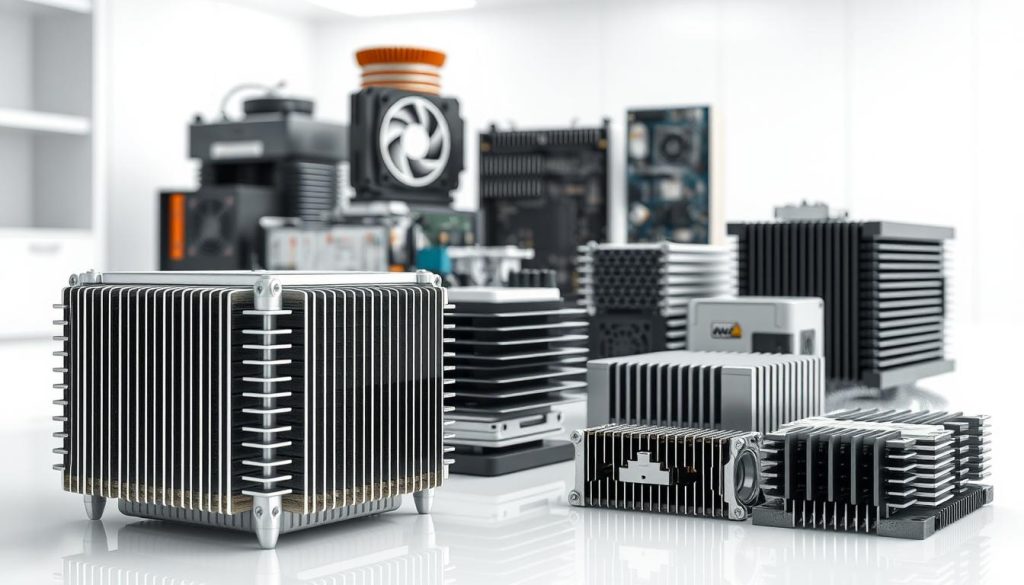
Optimizing Laser Performance with Heat Sinks
Selecting the right cooling solution is key to maximizing laser performance. Whether you’re working with laser diodes in industrial settings or scientific applications, the cooling method you choose can significantly impact efficiency and longevity.
Key Considerations for Cooling Solutions
When choosing a heat sink, consider factors like thermal resistance and cooling capacity. These factors ensure your laser operates within safe temperature ranges. Air-cooled systems are cost-effective and suitable for low-power applications, while TEC-assisted and liquid-cooled systems offer higher efficiency for more demanding setups.
Compare product specifications such as wattage capacity and temperature uniformity to meet your laser diode requirements. High-quality materials like copper or aluminum are ideal for heat sinks due to their thermal conductivity.
Evaluating Performance
Assess both passive and active heat sinks based on your laser’s power and environment. Passive methods are quieter and cost-effective, while active methods provide higher heat dissipation for high-power lasers.
Manufacturers like Sinda Thermal offer a range of cooling solutions tailored to specific laser diode needs. When selecting a heat sink, evaluate product examples and pricing to find the best fit for your application. Always consider your device’s unique requirements and operational environment before committing to a cooling solution.
Conclusion
In conclusion, heat sinks play a vital role in managing the thermal challenges of laser devices, ensuring optimal performance and longevity. By effectively dissipating excess heat, they help maintain the stability and efficiency of laser diodes across various applications.
Both passive and active cooling methods offer distinct advantages, catering to different environments and power requirements. Passive cooling is cost-effective and quieter, ideal for low-power lasers, while active cooling provides higher efficiency for demanding setups.
When selecting a cooling solution, it’s essential to consider technical specifications and real-world applications. As laser technology advances, ongoing innovation in heat management remains crucial for future developments.
Before making a decision, we encourage you to research further and consult manufacturer guidelines to find the best solution for your needs. Remember, the right cooling system can significantly enhance your laser’s performance and lifespan.


