
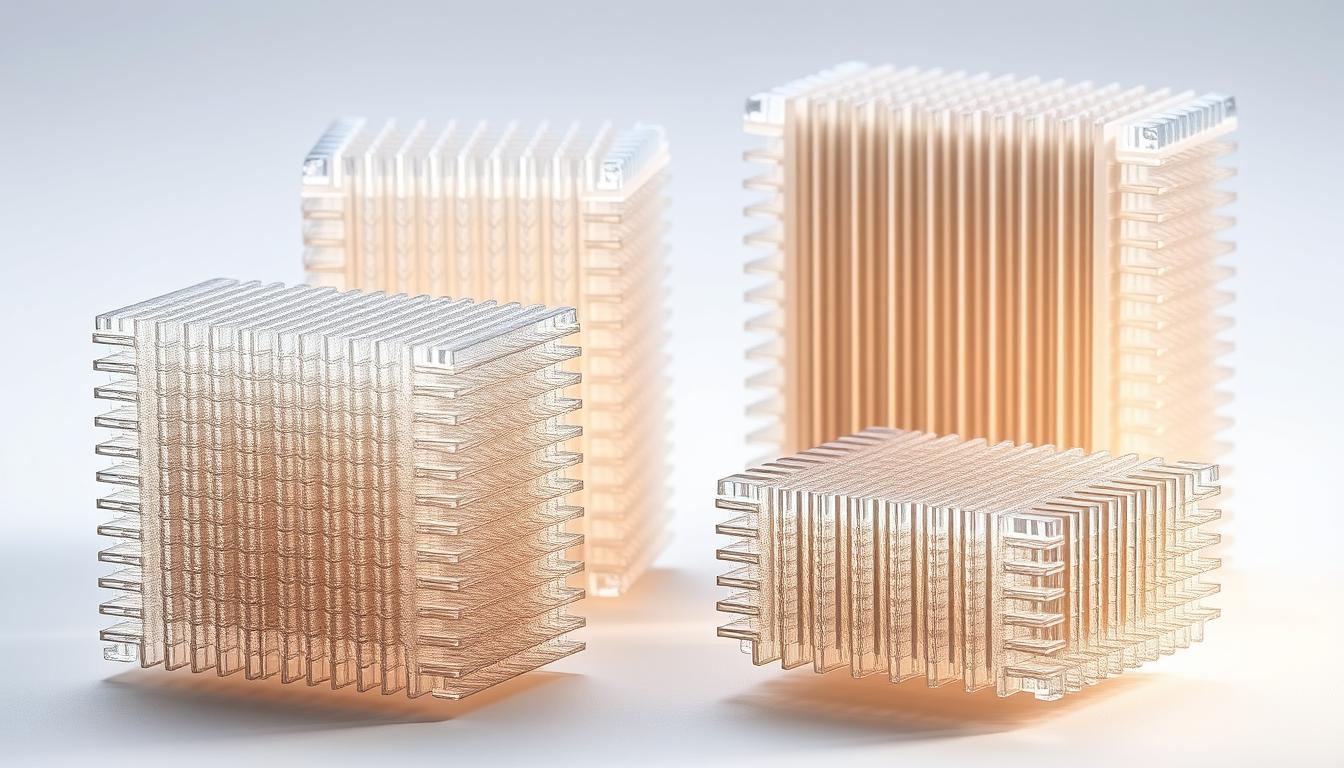
Heat sinks are key in managing heat in many fields, like electronics and cars. Their success depends a lot on how well they conduct heat. Traditional materials have their limits, which is why people are looking at new options, like plastic heat sinks.
Using plastic for heat sinks is getting more attention. It could be a cheaper and more efficient way to handle heat. Plastic’s ability to conduct heat is important, and it shows promise. Let’s explore if plastic can be a good choice for heat sinks.
Understanding Heat Sinks and Their Basic Function
Heat sinks are key in many electronic devices. They help prevent overheating by heat dissipation. These components absorb and spread heat away from important parts, keeping devices running well and lasting longer.
Key Functions of Heat Sinks:
- Heat Absorption: Absorbs thermal energy from components.
- Heat Dissipation: Releases heat into the surrounding environment.
- Temperature Regulation: Maintains safe operating temperatures.
Can Plastic Be Used for a Heat Sink: Exploring the Possibility
Plastic heat sinks are gaining popularity for good reasons. They are cheaper than traditional materials. This makes them a great choice for companies wanting to save money. Plus, they can be shaped in complex ways, which is hard with other materials.
Scientists have found ways to make plastic that can handle heat well. This makes plastic heat sinks a good option for cooling down devices. They are also light, don’t rust, and are easy to make. You can find them in electronics, cars, and everyday items.
Some of the key benefits of plastic heat sinks include:
- Cost-effectiveness
- Design flexibility
- Reduced weight
- Corrosion resistance
- Ease of manufacturing
Thermal Properties of Different Plastics
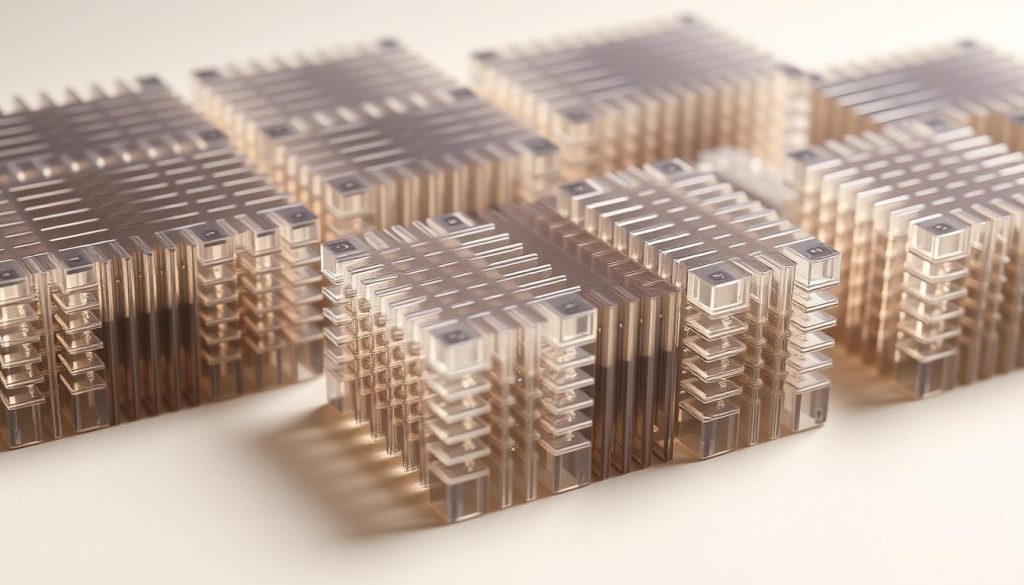
Plastics are used as heat sinks because of their thermal properties. The ability to conduct heat, known as thermal conductivity, is key. Different plastics have different levels of thermal conductivity, affecting their suitability for heat sinks.
Some plastics, like thermally conductive polymers, are made to conduct heat well. They are used in places where managing heat is important, like in electronics. These plastics are great at dissipating heat, making them a top choice for heat sinks.
Key Characteristics of Thermally Conductive Plastics
- High thermal conductivity for efficient heat dissipation
- Temperature resistance ratings to ensure durability
- Chemical resistance to prevent degradation
Advantages of Plastic Heat Sinks
Plastic heat sinks are cost-effective and offer design flexibility. They are a good alternative to traditional materials. They can also be made from recyclable materials, reducing environmental impact.
Some key benefits of plastic heat sinks are:
- Lower production costs compared to traditional materials
- Increased design flexibility, allowing for complex geometries and shapes
- Potential for reduced environmental impact through the use of recyclable materials
Plastic materials for heat sinks help create innovative cooling solutions. As thermally conductive plastics improve, plastic heat sinks will likely become even more popular.

Design Considerations for Plastic Heat Sinks
Designing plastic heat sinks requires careful thought. Engineers must consider the surface area, material thickness, and how they fit with other parts.
- Surface area optimization for improved heat dissipation
- Material thickness requirements for adequate thermal conductivity
- Integration with other components, such as fans or heat pipes, to enhance overall system performance
By looking at these factors, engineers can make plastic heat sinks that work well.
Common Applications and Success Stories
Plastic materials for heat sinks are gaining popularity in many industries. They offer better performance, smaller size, and higher reliability.
- Electronics industry: cooling electronic components and preventing overheating
- Automotive sector: cooling batteries and other electronic components in electric and hybrid vehicles
- Consumer products: cooling laptops and smartphones to prevent overheating
The use of plastic heat sinks is growing fast. Their benefits make them key in new technology and product development.
Limitations and Challenges of Plastic Heat Sinks
Using plastic for heat sinks comes with its own set of issues. One big problem is that plastics don’t conduct heat as well as metals. This can make the heat sink less effective, leading to overheating and damage.
Some of the main challenges with plastic heat sinks are:
- They can break down over time when exposed to heat and other environmental factors.
- They can’t handle high temperatures as well as other materials, limiting their use.
- Finding the right plastic and design is key to improving heat dissipation.
Despite these hurdles, scientists and manufacturers are exploring new plastics. These new materials aim to better handle heat and improve cooling. By facing the limitations of plastic heat sinks, we can aim for better cooling solutions.
Conclusion: The Future of Plastic Heat Sinks
Plastic heat sinks represent a promising innovation in thermal management, offering a cost-effective, lightweight, and corrosion-resistant alternative to traditional metal heat sinks. While they may not yet match the thermal conductivity of metals, ongoing research in thermally conductive polymers is closing the gap.
As technology advances, plastic heat sinks are likely to find even broader applications, from consumer electronics to automotive systems. By understanding their advantages, limitations, and design considerations, you can determine whether plastic heat sinks are the right solution for your cooling needs.
FAQ
What is a plastic heat sink?
A plastic heat sink is a cooling device made from thermally conductive polymers, designed to absorb and dissipate heat from electronic components.
How do plastic heat sinks compare to metal heat sinks?
Plastic heat sinks are lighter, cheaper, and more corrosion-resistant but have lower thermal conductivity compared to metal heat sinks.
What are thermally conductive polymers?
Thermally conductive polymers are plastics engineered with fillers like carbon fibers or ceramic particles to improve their heat dissipation capabilities.
What are the limitations of plastic heat sinks?
They have lower thermal conductivity, limited temperature resistance, and may not be as durable as metal heat sinks.


