

Heat sinks are key to better brushed motor performance and longer life. They help get rid of heat, stopping motors from overheating.
Knowing how important heat sinks are is a must for anyone wanting to boost their motor’s performance. In this guide, we’ll dive into the role of heat sinks. We’ll see how they can make brushed motors work better and last longer.
Understanding Brushed Motors and Heat Generation
Brushed motors are common in many uses. Their efficiency is key for best performance. To grasp how they work and why they get hot, we need to look inside.
Inside a brushed motor, several parts work together. These include the rotor, stator, and brushes. As it runs, friction and electrical resistance make it hot.
- Friction between moving parts
- Electrical resistance in the windings
- Inefficient cooling systems
These issues can hurt the motor’s performance and life. Knowing where the heat comes from and using good cooling helps. This way, users can make their brushed motors work better and last longer.
The Science Behind Heat Sinks
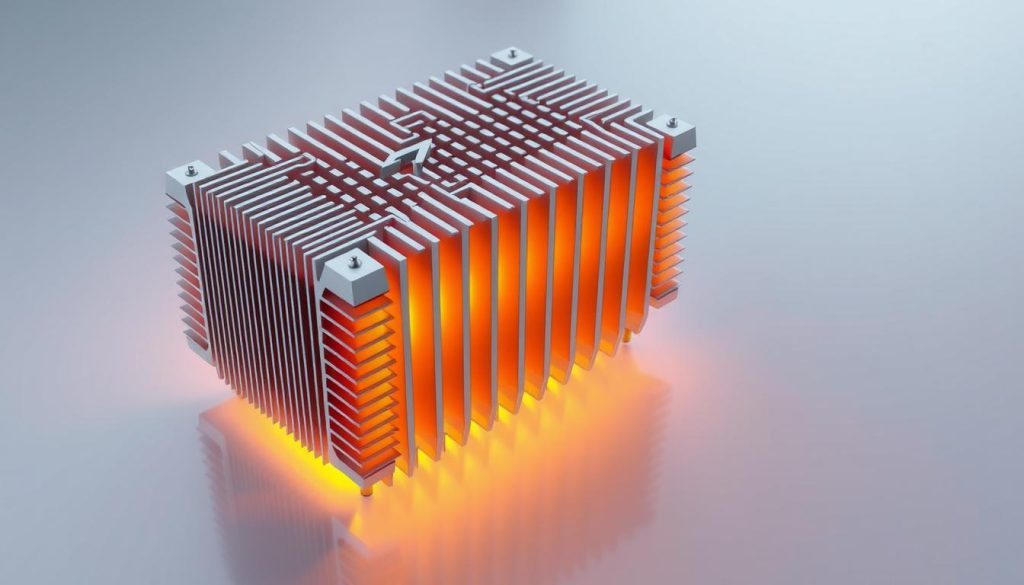
Heat sinks help cool down electronic parts, like brushed motors. The heat sink design is key to controlling temperature. It uses materials like copper or aluminum to transfer heat well.
Heat sinks use thermodynamics and heat transfer science. They spread out the component’s surface to cool it down better. This is done with fins or other shapes that increase the surface area. A good heat sink design can lower the component’s temperature a lot, making it work better and last longer.
Important things to think about in heat sink design include:
- Material selection: Choosing materials with high thermal conductivity is key for good heat transfer.
- Surface area: More surface area means better heat dissipation.
- Fin design: The shape of the fins or protrusions greatly affects the heat sink’s performance.
Do Heat Sinks Help Brushed Motors: Direct Benefits and Evidence
Heat sinks are key to boosting brushed motor efficiency and lifespan. They help get rid of heat, which improves motor performance and lowers overheating risks. We’ll look into how heat sinks help brushed motors, including temperature drops, performance boosts, and longer lifespans.
Studies reveal heat sinks can cut brushed motor temperatures by up to 30%. This drop in temperature enhances motor performance, boosts efficiency, and extends lifespan. The design of the heat sink is also vital. A well-made heat sink can significantly increase heat dissipation, leading to better performance.
- Improved motor performance
- Increased efficiency
- Longer lifespan
- Reduced risk of overheating
Choosing the Right Heat Sink for Your Motor
Choosing the right heat sink for your brushed motor is key to its efficiency. You need to think about the motor type, operating temperature, and cooling needs. It’s important to know the different heat sinks available, including their materials and sizes.
Make sure the heat sink fits your motor for the best performance. It should also match your motor’s cooling system, whether it’s air or liquid. The right heat sink can boost your motor’s efficiency and make it last longer.

- Thermal resistance
- Maximum operating temperature
- Mounting options (e.g., clip-on, adhesive, screw-on)
- Material (e.g., aluminum, copper, ceramic)
By carefully choosing the right heat sink, you can improve your motor’s performance and efficiency. Don’t forget to consider the cooling system design for a complete solution.
Installation and Mounting Techniques
Installing a heat sink correctly is key to its success. It helps keep a brushed motor cool, improving its performance and life. To do this right, you need a clear guide on how to install and mount it.
Step 1: Get all the tools and materials ready. You’ll need a screwdriver, thermal paste, and mounting brackets.
Step 2: Clean the motor and apply a thin layer of thermal paste to the heat sink.
Step 3: Attach the heat sink to the motor using the brackets. Make sure it’s tightly secured to work best.
Common mistakes
- Not enough thermal paste makes the heat sink less effective
- Loose brackets can cause the heat sink to fall off
- Wrong heat sink position reduces its cooling power
By avoiding these mistakes, you can ensure a solid and effective heat sink installation. This will help extend your motor’s life and boost its performance.
Maintenance and Optimization Tips
To keep your brushed motor with a heat sink running well, regular care is key.
- Checking and cleaning the cooling systems
Checking and cleaning the cooling systems often. This helps remove any blockages that could slow down airflow.
- The heat sink is securely attached to the motor
Make sure the heat sink is securely attached to the motor. This ensures good heat transfer.
- Keeping the motor’s temperature right
Keeping the motor’s temperature right is also important. You might need to adjust fan speeds or the heat sink’s position.
By doing these things, you can make your motor last longer and work better. Regular maintenance and tweaks can really help.
Conclusion
While not every motor needs enhanced cooling, heat sinks provide excellent protection against thermal damage for high-performance or heavily-used motors. By selecting the right design and maintaining it properly, you’ll enjoy cooler operation, more consistent power delivery, and fewer motor replacements.
FAQ
What is the purpose of a heat sink for a brushed motor?
Heat sinks help cool brushed motors. This improves their performance and lifespan. They spread heat over a larger area, keeping the motor cool and preventing overheating.
How effective are heat sinks in reducing the temperature of brushed motors?
Studies show heat sinks can lower motor temperatures by 10°C to 30°C or more. This depends on the motor size, load, and other factors.
How do I choose the right heat sink for my brushed motor?
Choose a heat sink based on motor size, power, and temperature needs. It should fit the motor and cool it enough. Make sure it’s installed right for best results.
What maintenance is required for a heat sink used with a brushed motor?
Keep the heat sink clean and check for damage. Make sure it’s mounted well. Also, watch the motor’s temperature and adjust cooling as needed.


