
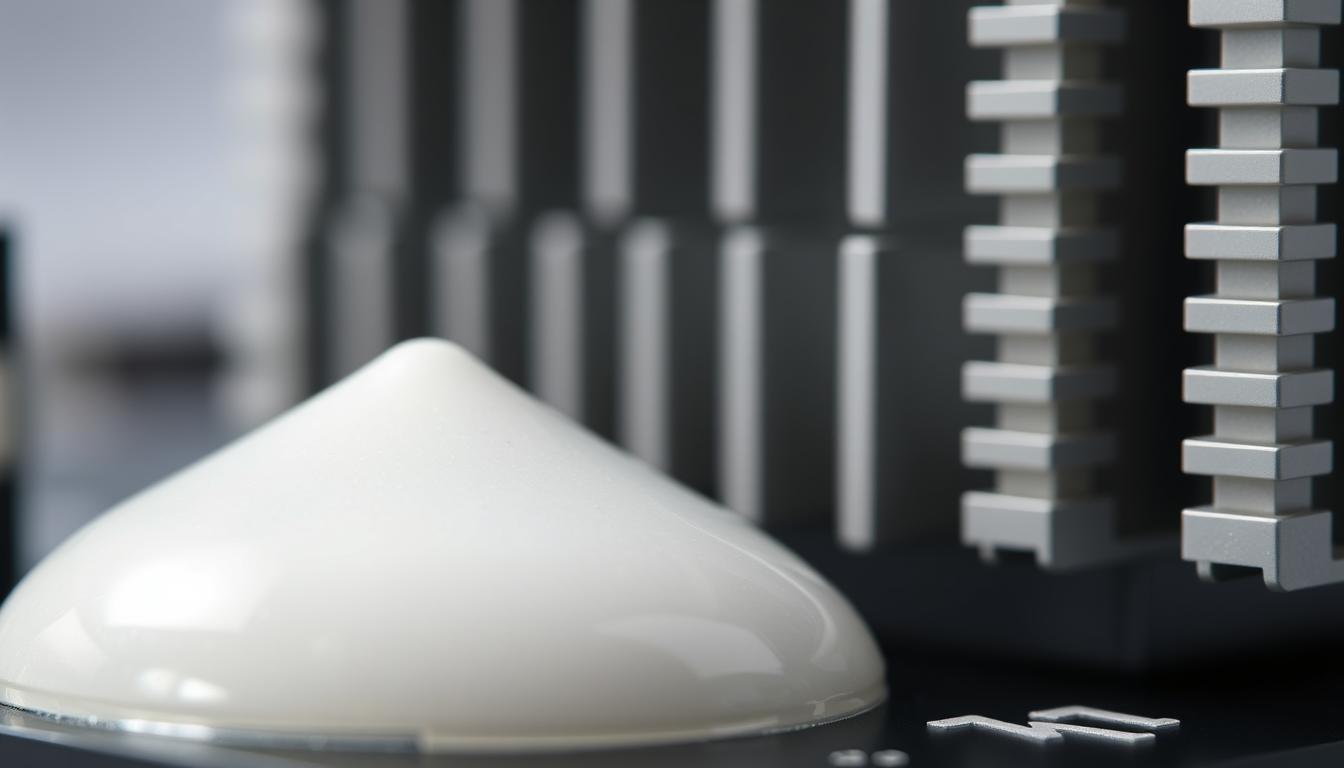
Heat sink compounds are essential for managing heat in electronic devices. They fill microscopic gaps between a heat sink and a device’s surface, ensuring efficient heat transfer. This guide explores the basics of heat sink compounds, their types, applications, and whether they conduct electricity. By the end, you’ll understand how to choose and use heat sink compounds safely and effectively.
Understanding Heat Sink Compound Basics
Heat sink compounds are critical in thermal management systems. They act as a bridge between two surfaces, ensuring efficient heat dissipation. Without them, air gaps can trap heat, leading to poor performance and potential device failure.
Common Applications of Heat Sink Compounds:
- CPU and GPU Cooling: Ensures efficient heat transfer in computers and gaming systems.
- Aerospace and Defense: Manages heat in high-performance electronics.
- Automotive Electronics: Keeps control units and LED systems cool.
- Industrial Equipment: Prevents overheating in motor drives and power supplies.
By filling microscopic gaps, heat sink compounds reduce thermal resistance and improve heat transfer, making them indispensable in modern electronics.
Types of Heat Sink Compounds Available Today
Heat sink compounds come in various types, each with its own features and uses. Some focus on high thermal performance, while others are better for electrical conductivity or non-conductivity.
Choosing the right heat sink compound is key. Consider the application’s needs. Some compounds work well in high-temperature settings, while others are better for cooler environments. The thermal performance is vital to ensure effective heat transfer.
Electrical conductivity is also important. Some compounds conduct electricity, while others do not. Conductive compounds are used in making electronic parts where electrical flow is needed.
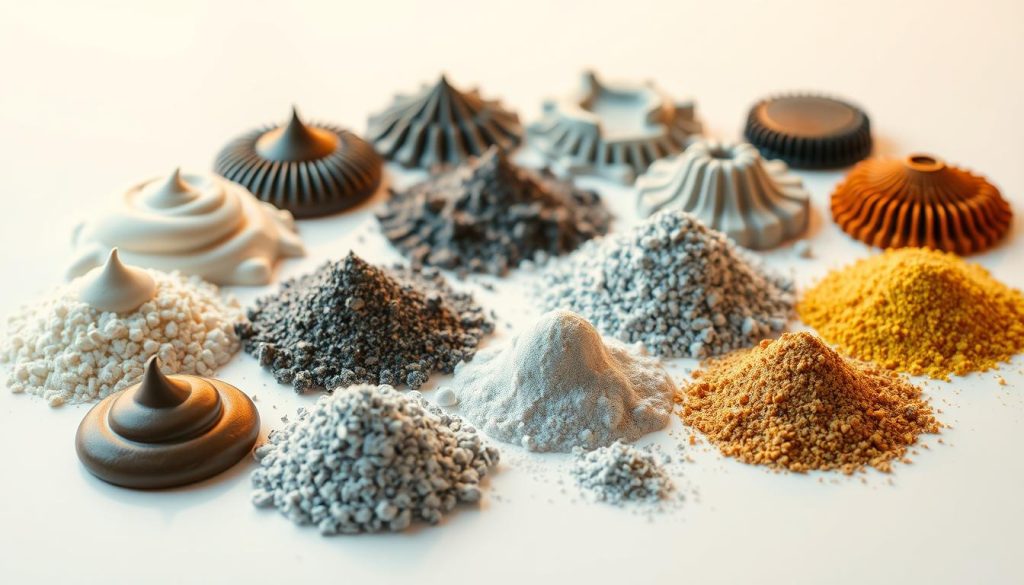
- Silicone-based compounds: Known for high thermal and electrical performance.
- Epoxy-based compounds: Great for high-temperature use and excellent thermal stability.
- Ceramic-based compounds: Non-conductive and used for electrical isolation.
Is Heat Sink Compound Electrically Conductive?
One of the most common questions about heat sink compounds is whether they conduct electricity. Heat sink compounds can either conduct or not conduct electricity. The choice depends on what you need for your project.
Conductive vs Non-Conductive Compounds
- Conductive Compounds: Contain metal particles (e.g., silver or copper) and can conduct electricity. These are used in applications where electrical conductivity is required.
- Non-Conductive Compounds: Made from silicone or ceramic materials, these are electrically insulating and safer for general use.
Safety Implications
- Conductive Compounds: Require careful application to avoid short circuits.
- Non-Conductive Compounds: Safer for most applications, especially where electrical isolation is needed.
Choosing the right compound is very important for safety. Using the wrong one can cause electrical shock. Or, it might not work as well as needed.
Making the Right Choice
When picking a heat sink compound, think about what you need. Consider electrical conductivity and safety precautions. The right choice ensures your project works well and safely.
How to Safely Apply Heat Sink Compound
Proper application of heat sink compound is crucial for optimal performance. Follow these steps to ensure a safe and effective application:
Step-by-Step Application Guide
- Clean the Surfaces: Remove dust, grease, and old thermal paste using isopropyl alcohol and a lint-free cloth.
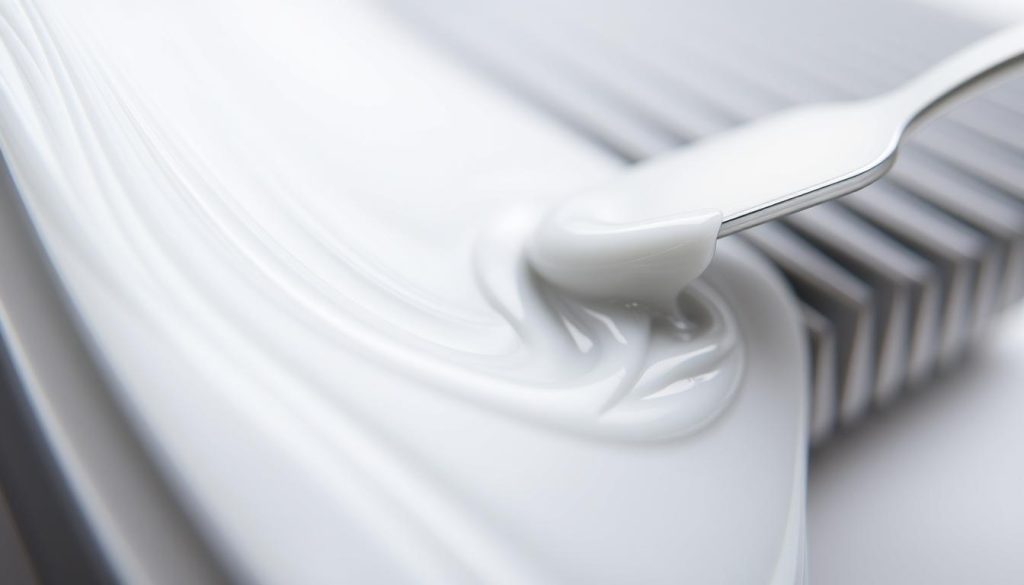
- Apply a Small Amount: Place a pea-sized drop of compound in the center of the component.
- Spread Evenly: Use a plastic applicator or the heat sink itself to spread the compound thinly and evenly.
- Mount the Heat Sink: Press the heat sink firmly onto the component to ensure proper contact.
Tips for Best Results
- Avoid using too much compound, as it can spill over and cause electrical issues.
- Follow the manufacturer’s guidelines for application and curing times.
- Wear protective gloves and work in a well-ventilated area.
By following these steps and using quality thermal interface material, you can apply heat sink compound safely. With the right application, your heat sink will work better and keep your device cool.
Common Mistakes and Safety Precautions
Working with heat sink compounds requires knowing common mistakes and safety steps. Electrical safety is key because these compounds can conduct electricity. By following safety rules and guidelines, you can work safely.
Electrical Safety Measures
For electrical safety, follow important steps when using heat sink compounds. Stay away from electrical parts and use insulators to avoid shock.
Application Errors to Avoid
Don’t make mistakes like using too much compound, which can cause electrical problems. Always follow the maker’s application and handling instructions.
Best Practices for Handling
Wear protective gear like gloves and safety glasses when handling these compounds. Work in a place with good air flow. These steps help avoid accidents and keep you safe.
Conclusion: Making Informed Decisions About Heat Sink Compounds
Heat sink compounds are key in managing heat and improving electronic device performance. Understanding thermal performance, conductivity factors, and safety is vital. This knowledge helps in choosing the right compound for your needs.
By understanding these factors, you can pick the best compound for your project. Whether you need high conductivity or electrical insulation, the right paste improves performance and safety.
For high-quality thermal solutions, check out heatsinkproto’s heat sink compounds—designed for efficiency and reliability.
FAQ
What is heat sink compound?
Heat sink compound helps transfer heat between two surfaces. It’s used in electronics, aerospace, and other fields where keeping things cool is key.
What are the benefits of using heat sink compounds?
They enhance thermal conductivity, reduce thermal resistance, and prevent overheating, extending the lifespan of electronic components.
Are heat sink compounds electrically conductive?
Some are conductive (e.g., metal-based compounds), while others are non-conductive (e.g., silicone or ceramic-based). Always check the product specifications.
How do I apply heat sink compound safely?
Clean the surfaces, apply a small amount of compound, spread it evenly, and mount the heat sink firmly. Follow the manufacturer’s guidelines for best results.
What are common mistakes to avoid when using heat sink compounds?
Avoid using too much compound, neglecting surface preparation, and ignoring electrical conductivity requirements.


