
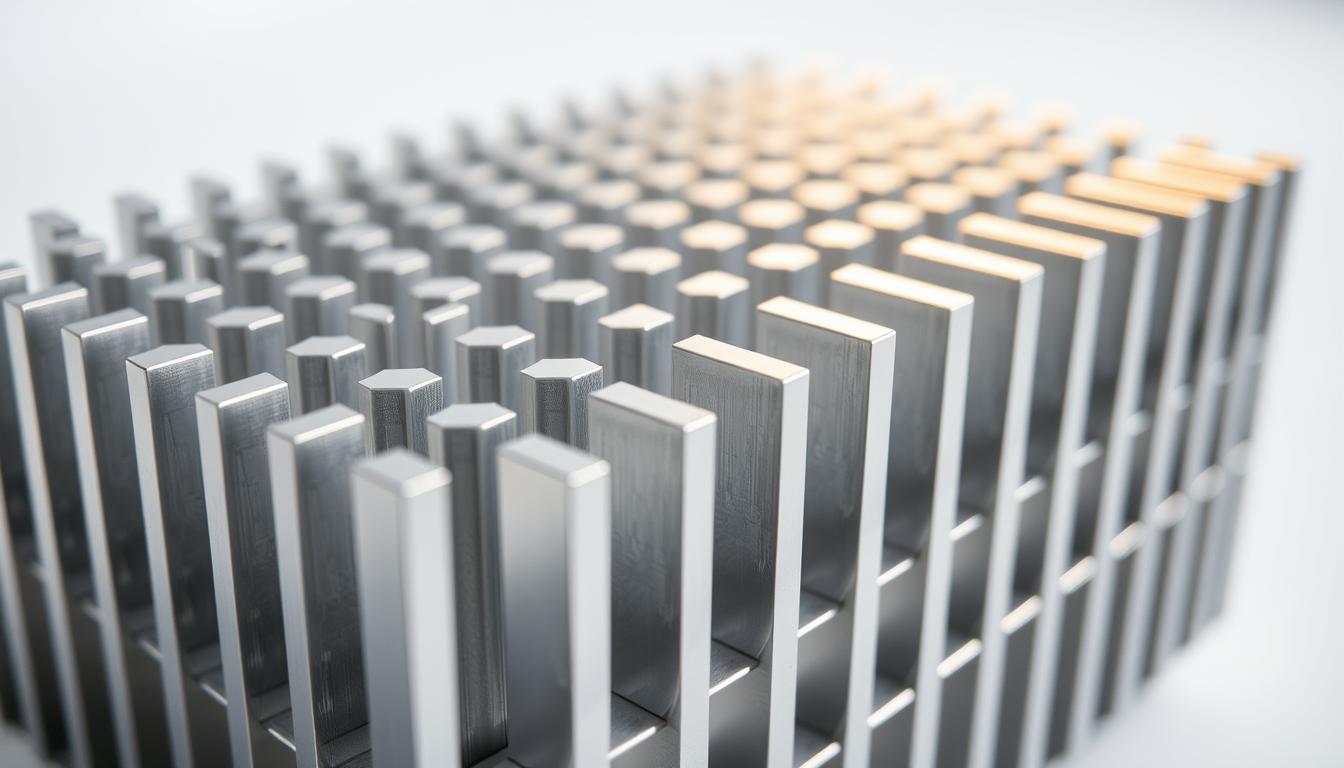
Aluminum heat sinks are key in keeping electronic devices cool. They are known for their high heat conductivity and are affordable. This makes aluminum a top pick for cooling devices, playing a big role in thermal management. This guide explores why aluminum is a preferred material for heat sinks, its properties, applications, and design considerations to help you optimize your cooling solutions.
Understanding Heat Sink Basics
Cooling solutions are vital for managing heat in electronic devices. Heat sinks are a key part of these solutions. They work by absorbing and spreading heat away from electronic parts. This is done using heat sink materials that conduct heat well.
The right heat sink materials can make a big difference in how well a device works.
- High thermal conductivity to efficiently transfer heat
- Low thermal resistance to minimize heat buildup
- Large surface area to maximize heat dissipation
These features are key for heat sinks to manage heat well. This prevents damage to electronic parts.
Properties That Make Aluminum an Effective Heat Sink
Aluminum is a top pick for heat sinks because of its special mix of traits. Some key aluminum properties that help it work well as a heat sink include:
- High Thermal Conductivity (237 W/m-K): Efficiently transfers heat away from components.
- High Specific Heat Capacity: Absorbs and stores heat energy effectively.
- Low Density: Lightweight and easy to shape into complex designs.
- High Strength-to-Weight Ratio: Provides durability without adding bulk.
Is Aluminum a Good Heat Sink Compared to Other Materials?
Aluminum is a top pick for heat sinks, but how does it stack up against others? We must look at copper and steel’s properties. We need to weigh thermal performance, cost, and weight.
Aluminum vs. Copper:
- Thermal Conductivity: Copper (398 W/m-K) outperforms aluminum (237 W/m-K).
- Cost: Aluminum is more affordable than copper.
- Weight: Aluminum is lighter, making it better for weight-sensitive applications.
Aluminum vs. Steel:
- Thermal Conductivity: Aluminum conducts heat better than steel.
- Cost: Steel is cheaper but less efficient for heat dissipation.
- Weight: Aluminum is lighter and easier to work with.
The right material for a heat sink depends on the project’s needs. This includes thermal performance, budget, and weight. By looking at aluminum vs copper and aluminum vs steel, designers can make the best choice.
Common Applications of Aluminum Heat Sinks
Aluminum heat sinks are used in many industries because they conduct heat well and last long.
Some main uses of aluminum heat sinks are:
- Electronics: Cooling CPUs, GPUs, and other high-power components in devices like laptops, smartphones, and tablets.
- Automotive: Managing heat in engine control units, transmission systems, and LED lighting.
- Industrial Equipment: Cooling motor drives, power supplies, and control systems.
They are chosen for their good heat conductance, corrosion resistance, and low cost. They are also light and fit well in small spaces, making them great for cooling electronics.
Design Considerations for Aluminum Heat Sinks
Designing an aluminum heat sink requires careful thought. The aim is to make a heat sink that moves heat well from the source to the air. Here are the key factors to consider:
Surface Area Optimization
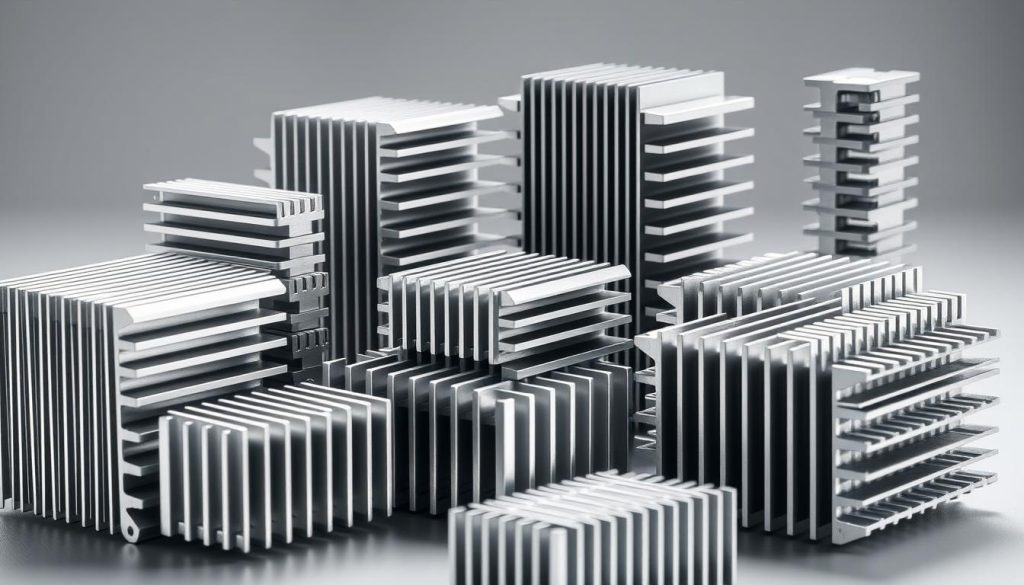
A larger surface area allows for better heat dissipation. Fins are commonly used to increase the surface area without significantly increasing the size of the heat sink.
Fin Design and Spacing
The shape, size, and spacing of fins play a critical role in heat sink performance. Properly designed fins enhance airflow and heat transfer.
Thermal Interface Materials
Using thermal interface materials (e.g., thermal paste or pads) improves heat transfer between the component and the heat sink.
Material Selection
While aluminum is a great choice, consider the specific grade and finish to enhance performance and durability.
Designers can make aluminum heat sinks better by thinking about these points. This leads to better cooling and more efficiency.
Benefits and Limitations of Aluminum Heat Sinks
Benefits:
- Excellent Thermal Conductivity: Efficiently transfers heat away from components.
- Affordable: Cost-effective compared to materials like copper.
- Lightweight: Ideal for applications where weight is a concern.
- Easy to Manufacture: Can be easily shaped into complex designs.
Limitations:
- Lower Melting Point: Not suitable for extremely high-temperature environments.
- Corrosion Risk: May corrode in harsh environments without proper treatment.
As technology gets better, we might see new kinds of aluminum heat sinks. These could fix the problems of melting and rusting. This could keep them affordable and good at cooling things down.
FAQ
What is a heat sink, and how does it work?
A heat sink absorbs heat from electronic components and dissipates it into the surrounding environment. It works by increasing the surface area for heat transfer, allowing air or liquid to carry the heat away.
Why is aluminum a good material for heat sinks?
Aluminum is lightweight, affordable, and has high thermal conductivity, making it an excellent choice for heat sinks.
How does aluminum compare to copper for heat sinks?
Copper has higher thermal conductivity, but it’s heavier and more expensive. Aluminum offers a better balance of cost, weight, and performance.
Where are aluminum heat sinks commonly used?
They are used in electronics (CPUs, GPUs), automotive systems (engine control units), and industrial equipment (motor drives, power supplies).
Conclusion
Aluminum heat sinks are a cornerstone of effective thermal management in electronic devices. Their high thermal conductivity, affordability, and lightweight design make them a top choice for cooling solutions across industries. By understanding their properties, applications, and design considerations, you can optimize your thermal management systems for better performance and reliability.
Whether you’re cooling a CPU, managing heat in an automotive system, or designing industrial equipment, aluminum heat sinks offer a reliable and cost-effective solution. By optimizing fin design, surface area, and thermal interface materials, you can maximize the efficiency of aluminum heat sinks. For high-quality thermal solutions, check out heatsinkproto for advanced cooling technologies.


