

Heat sink compound is key in keeping systems cool. It helps transfer heat efficiently. This prevents overheating and keeps components working well for longer.
Knowing how heat sink compound works is important. It fills gaps between parts, helping heat move well. This stops overheating and keeps systems running smoothly. In this guide, we’ll explore the basics of heat sink compounds, their types, and best practices for application and maintenance.
Understanding Heat Sink Compound Basics
Heat sink compounds are key to keeping devices cool. They work by conducting heat well, thanks to their thermal conductivity. This lets devices get rid of heat fast, avoiding overheating.
Heat transfer is all about moving heat from one place to another. Materials with high thermal conductivity help a lot. Heat sink compounds fill tiny gaps to make sure devices cool down well.
Here’s what makes a heat sink compound great:
- High thermal conductivity for better heat transfer
- Low viscosity for easy spreading
- Good surface wetting for better contact
The Science Behind Thermal Interface Materials
Thermal interface materials help move heat between two surfaces. Their success depends on how well they conduct heat. This is key in keeping electronic devices cool and working right.
Many things affect how well these materials work. This includes what they’re made of, how rough their surface is, and how much pressure they’re under.
- Thermal conductivity: How well the material moves heat
- Surface roughness: The tiny gaps and bumps on the surface
- Pressure: The force applied to the material

Knowing these factors helps us choose the best materials. This ensures heat moves well and devices don’t overheat.
How Does Heat Sink Compound Work in Computer Systems
Computer cooling systems utilize heat sink compounds to maintain optimal temperatures. These compounds facilitate the transfer of heat from computer components to the heat sink, enhancing cooling efficiency.
The compound is applied between the CPU or GPU and the heat sink, filling in tiny gaps to ensure better contact. This improves heat transfer and helps prevent the system from overheating.
Steps for Applying Heat Sink Compound:
- Clean the Surfaces: Use isopropyl alcohol to remove old thermal paste and debris.
- Apply the Compound: Use a pea-sized amount for CPUs or a thin line for GPUs.
- Mount the Heat Sink: Gently press the heat sink onto the component to spread the compound evenly.
In short, heat sink compound is essential for cooling computers. It helps move heat and keeps systems from overheating. Knowing how it works shows its importance in keeping computers running smoothly.
Types and Composition of Thermal Compounds
- Metal-based thermal pastes, which offer high thermal conductivity and are often used in high-performance applications
- Silicon-based compounds, which provide a balance between thermal conductivity and durability
- Carbon-based solutions, which are known for their high thermal conductivity and are often used in specialized applications
- Liquid metal compounds, which offer exceptional thermal conductivity and are used in high-end applications
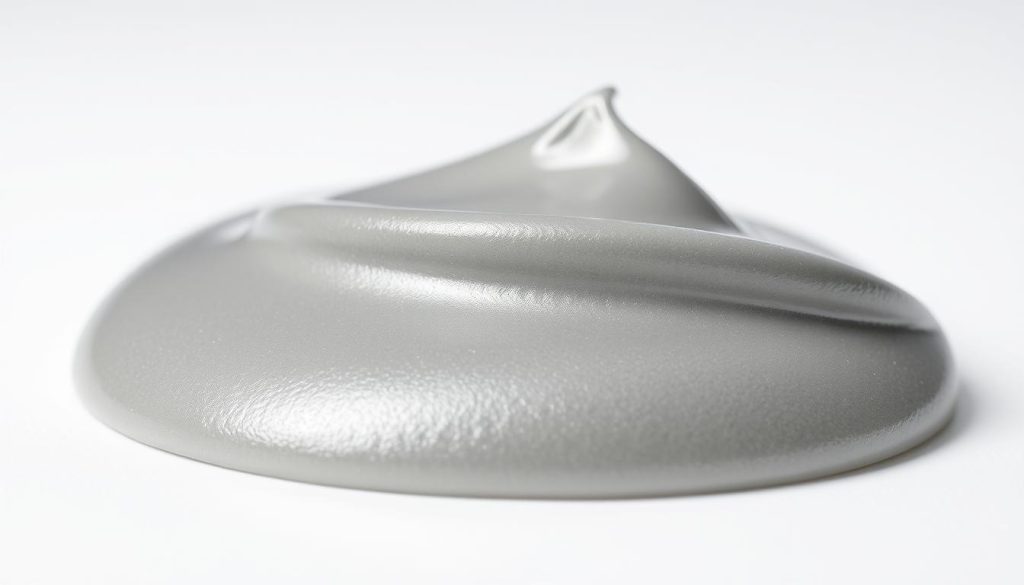
Choosing the right thermal compound boosts cooling in systems. This cuts down on overheating and boosts performance overall.
Best Practices for Application and Maintenance
Choose the Right Compound
- High-Performance Systems: Use metal-based or liquid metal compounds.
- General-Purpose Cooling: Silicon-based compounds are sufficient.
Apply Correctly
- Thin, Even Layer: Avoid using too much compound, as excess can act as an insulator.
- Avoid Air Bubbles: Ensure the compound spreads evenly without trapping air.
Regular Maintenance
- Inspect Periodically: Check for dried or degraded compound and reapply as needed.
- Clean Surfaces: Always clean surfaces before reapplying thermal paste.
By following these tips, you can make sure your thermal compounds work well and last long.
Conclusion: Maximizing Cooling Efficiency with Thermal Compounds
Understanding thermal interface materials is key to keeping computer systems cool. We’ve learned about the science behind these materials. They help spread heat and stop overheating.
Using thermal compounds right is important for your computer’s health. Whether you choose metal, silicon, or liquid metal, proper use is vital. It keeps your system running smoothly and your hardware lasting longer.
As tech gets better, we’ll need even better cooling. New research in thermal interface materials will bring us exciting improvements. This will help us handle more heat and make systems perform better.
FAQ
What is heat sink compound and how does it work?
Heat sink compound, also known as thermal interface material (TIM), helps improve heat transfer. It fills gaps and air pockets between components and heat sinks. This makes heat transfer more efficient.
What are the different types of thermal compounds?
There are many types, like metal-based, silicon-based, carbon-based, and liquid metal compounds. Each has unique properties for different needs.
What are the key factors that affect the performance of heat sink compound?
Key factors include thermal conductivity, viscosity, surface wetting, and proper application techniques. Regular maintenance also ensures long-term effectiveness.


