
A heat sink is a key part of electronic devices. It helps manage heat and cool electronics. Knowing what a heat sink is helps us see its role in stopping overheating and keeping devices working well.
Good heat management is key for devices to last longer and work reliably. Heat sinks are a basic part of device design.
We will look into what heat sinks do, how they work, and the materials used to make them. We’ll see how different materials, like aluminum and copper, are used for different needs. Understanding heat sinks helps us see how they keep devices cool and running smoothly.
Understanding the Basic Purpose of a Heat Sink
Heat sinks are key to keeping electronic devices at the right temperature. They help these devices work well and last longer. Their main job is to soak up and spread out heat from electronic parts, stopping them from getting too hot.
In electronic devices, heat sinks keep the temperature in check. This is important for keeping them running smoothly and avoiding damage. They make sure devices can handle their heat, keeping them reliable and efficient.
Some key aspects of heat sinks in electronic devices include:
- Heat absorption: Heat sinks soak up heat from electronic parts, stopping overheating and damage.
- Heat dissipation: They spread heat out into the air, keeping devices at a safe temperature.
- Thermal management: Heat sinks are vital for managing heat, ensuring devices stay within a safe temperature range.
Understanding heat sinks and their role in managing heat shows their importance. Next, we’ll look into the science behind thermal management. We’ll see how heat sinks keep electronic devices at the right temperature.
How Heat Sinks Work: The Science Behind Thermal Management
Heat sink science is key in making electronic devices work well. Heat sinks help devices run smoothly by getting rid of heat. They use thermal management, which includes conduction, convection, and radiation. This helps engineers make cooling systems that keep devices cool.
There are many cooling systems for electronic devices. These include air cooling, liquid cooling, and hybrid systems. Each has its own benefits and drawbacks. For instance, air cooling is common in computers, while liquid cooling is for servers.
Designing a heat sink is very important. A good heat sink has a big surface area and is made of materials like copper or aluminum. Thermal interface materials, like paste or tape, also help. These elements make cooling systems work better.
- Air cooling: uses fans to circulate air and dissipate heat
- Liquid cooling: uses a liquid coolant to absorb and dissipate heat
- Hybrid systems: combines air and liquid cooling for optimal performance
In conclusion, thermal management is complex. By knowing about heat sink science and cooling systems, engineers can make devices that are strong and reliable. Keeping devices cool is key to their performance and life span. It’s a vital part of modern electronics.
Common Materials Used in Heat Sink Manufacturing
Choosing the right material for heat sinks is key. Aluminum, copper, and composite materials are the most common. Each has its own strengths and weaknesses, like how well they conduct heat, how durable they are, and their cost.
Heat sink materials are essential for electronic devices to work well. Aluminum is popular because it conducts heat well, is light, and is affordable. Copper is great for high-performance needs because it conducts heat very well. Composite materials offer a good mix of heat conductivity, durability, and cost.
The way heat sinks are made depends on the material. Processes like extrusion, casting, and machining are used. The right process makes the heat sink’s shape, size, and complexity possible. Knowing about different materials and making methods helps designers and engineers make devices that stay cool.
- Aluminum: high thermal conductivity, lightweight, and affordable
- Copper: excellent thermal conductivity, ideal for high-performance applications
- Composite materials: balance between thermal conductivity, durability, and cost-effectiveness
In summary, picking the right material and making method is vital for electronic devices to work well. By looking at each material’s and process’s pros and cons, designers and engineers can make devices that stay cool and perform well.
Different Types of Heat Sinks and Their Applications
Heat sinks come in various designs and serve different purposes in electronic devices. Their main job is to spread out heat, keeping electronic parts working well and lasting longer. In the world of electronics, heat sinks are key to keeping things cool.
There are several types of heat sinks, like plate fins, pin fins, and heat pipes. Each has its own strengths and uses. For example, plate fins are simple and cheap, making them great for computers and phones. Pin fins, though, are better at handling heat and are used in devices that need a lot of power.
Choosing the right heat sink depends on several things. Thermal requirements are very important because they show how well a heat sink can handle heat. Here are some important things to think about when picking a heat sink:
- Thermal performance
- Space constraints
- Cost considerations
- Material compatibility
Knowing about the different heat sink types and their uses is vital for making efficient electronic devices. By picking the best heat sink, makers can make sure their products work well, even in tough conditions. 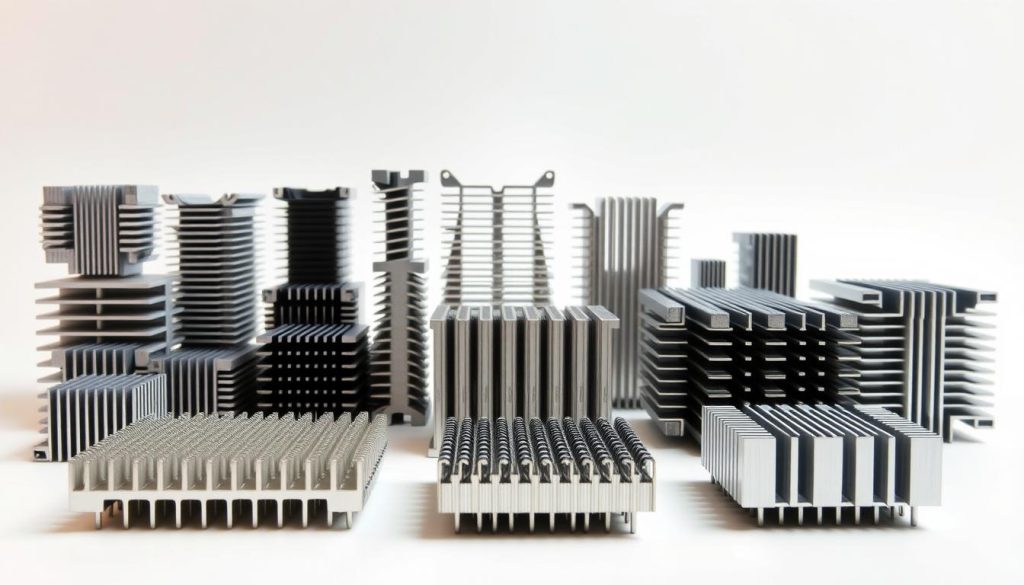
Key Components and Design Features of Effective Heat Sinks
Designing effective heat sinks involves several key components and features. A well-designed heat sink can greatly improve the thermal performance of electronic devices. This ensures they work reliably and last longer. Important aspects include fin configurations, surface area optimization, and thermal interface materials.
In heat sink design, fin configurations are key to efficient heat dissipation. Designers optimize fin shapes, sizes, and arrangements. This maximizes the surface area exposed to the environment, improving heat transfer. This helps keep the heat sink at a lower temperature, vital for electronic devices to operate safely.
Surface area optimization is also critical in heat sink design. Increasing the surface area of the heat sink enhances heat transfer rates. This allows devices to stay within safe temperature ranges. Designers use advanced materials and techniques to achieve this, maximizing available surface area.
- Fin configurations: optimizing fin shapes, sizes, and arrangements to maximize surface area and heat transfer
- Surface area optimization: increasing the surface area of the heat sink to enhance heat transfer and reduce device temperature
- Thermal interface materials: selecting materials that minimize thermal resistance and ensure efficient heat transfer between the device and the heat sink
By focusing on these components and features, engineers can design effective heat sinks. These meet the thermal management needs of modern electronic devices. This ensures reliable operation, better performance, and longer lifespan.
Where Heat Sinks Are Used: Common Applications
Heat sinks are key in many electronic devices. They keep these devices from getting too hot. This is important in many industries.
They are often seen in computers, phones, and other gadgets. These devices use heat sinks to cool down. This stops them from overheating and keeps them working well.
Heat sinks are also vital in aerospace, cars, and medical devices. In these fields, they help keep electronic systems running smoothly.
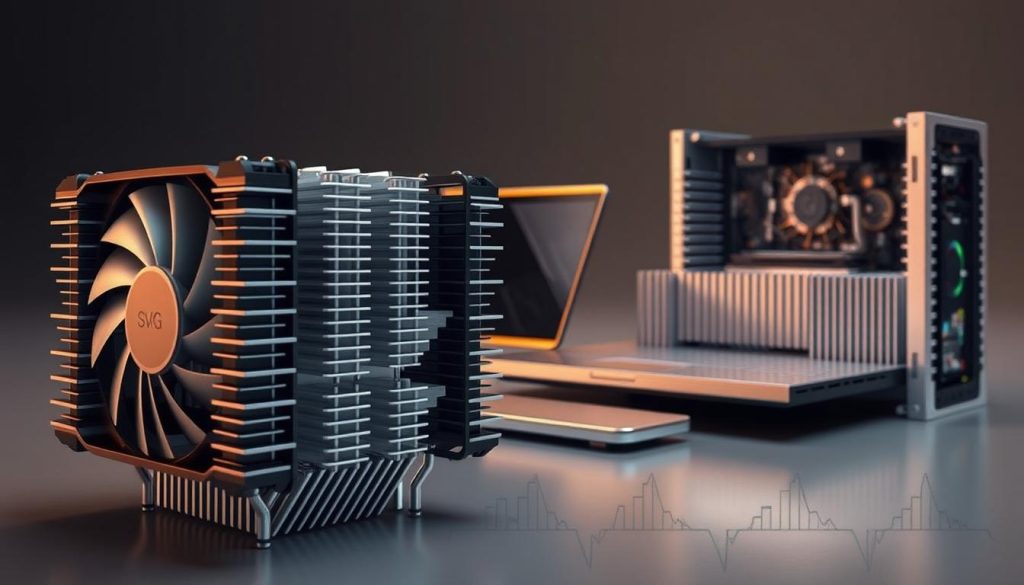
Heat sinks play a big role in today’s tech. They help manage heat, making devices more efficient and lasting longer. This is true for many electronic devices and industries.
Conclusion: The Essential Role of Heat Sinks in Modern Electronics
Heat sinks are key in today’s electronics world. They help keep devices like phones, laptops, and computers running well. By cooling down, they protect important parts from overheating damage.
The need for heat sinks in modern electronics will keep growing. As gadgets get more powerful and smaller, they need better cooling. New designs and materials are being made to meet these needs.
Heat sinks are more than just an extra part in electronics. They are vital for keeping devices working right. By focusing on heat sinks, we can make products that last longer and work better. This ensures electronics and cooling work together seamlessly in the future.


